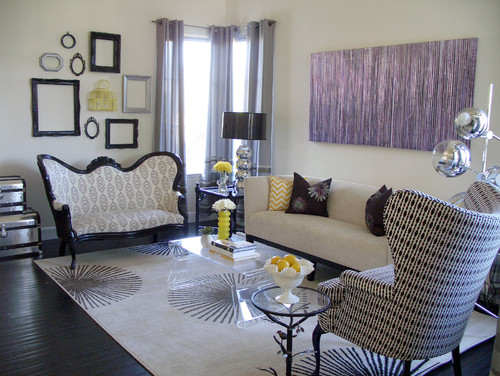
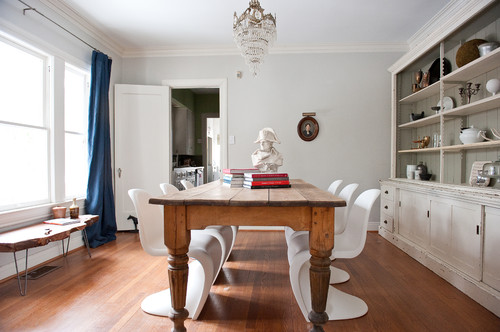
The Evolution of Open-Concept Living: A Fresh Perspective from Sunlight Heritage Homes

Open-concept floor plans have always been a hallmark of modern home design, offering bright, airy spaces perfect for family life and entertaining. At Sunlight Heritage Homes, we know how much homeowners love the sense of connection and flexibility these layouts provide. Today, open-concept living is evolving, bringing even more comfort, functionality, and style to our homes.

Open-Concept, Reimagined for Today’s Lifestyle

The classic open-concept design is all about seamless flow between kitchen, dining, and living spaces. But with changing lifestyles—especially more remote work and family activities happening at home—our design team is seeing a shift toward layouts that balance openness with purposeful zones for privacy and productivity.

Think cozy reading nooks, tucked-away workspaces, or flexible corners for exercise and relaxation. With thoughtful touches like subtle partitions, creative furniture arrangement, and carefully chosen colors and textures, our open-concept homes feel both spacious and inviting—while still providing the privacy and organization families need.

Debunking Open-Concept Myths

Some believe open layouts can’t be cozy, but nothing could be further from the truth. At Sunlight Heritage Homes, we use area rugs, layered lighting, and warm materials to create inviting spaces that feel just as intimate as they are open. And while open spaces can seem prone to clutter, our integrated storage solutions—think built-in shelving, multi-functional furniture, and smart kitchen islands—keep everything organized and in its place.

Tips for Creating Comfort and Privacy in Open Spaces:

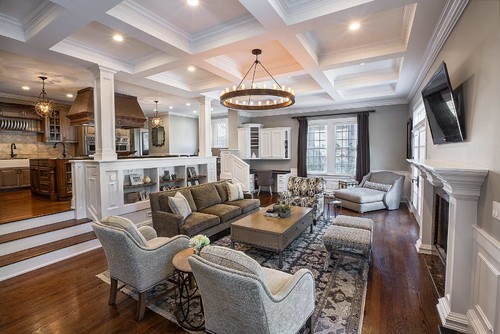
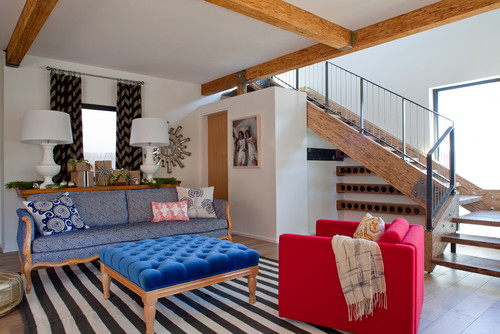
Define Spaces with Furniture: Use sofas, bookshelves, or area rugs to create natural boundaries between gathering, dining, and working areas.

Add Subtle Dividers: Features like half-walls, open shelving, or decorative screens maintain sightlines while offering a sense of separation.

Embrace Layered Lighting: Combine overhead fixtures, accent lamps, and under-cabinet lighting to craft warm, inviting zones throughout your home.

Incorporate Natural Elements: Wood accents, lush plants, and textured fabrics add warmth and help define cozy pockets within larger spaces.

Create Quiet Nooks: Design small retreats, such as reading corners or workstations, for moments of privacy and relaxation.

Staying Organized in an Open-Concept Home

Open living areas call for smart organization. Our homes feature built-in cabinetry, discreet storage benches, and vertical shelving to maximize every inch—keeping your spaces both functional and beautiful. Regular decluttering and multi-purpose furniture, like storage ottomans or beds with drawers, also help maintain that signature open, airy feel.

Why Open-Concept Living Is Here to Stay

While open floor plans are constantly evolving, their popularity endures. Today’s designs blend spaciousness with flexibility, allowing homeowners to enjoy connected family spaces without sacrificing comfort or privacy. As lifestyles change, Sunlight Heritage Homes is committed to innovative layouts that reflect the way people truly live—whether you’re working from home, hosting friends, or simply relaxing with loved ones.

Ready to experience the best in open-concept living? Explore our latest communities and discover how Sunlight Heritage Homes can bring your dream space to life.

Read one of our homeowners’ comments!:

Really enjoyed my experience at sunlight. Everybody was very polite and answered all my questions, as well as spent a lot of time showing me around their design center. I appreciate when people take their time to do something, with a smile on their face. My family and I are very pleased with our home, and I wish I could rate them more than 5 stars. Thank you sunlight!

 ~ Steven Koss
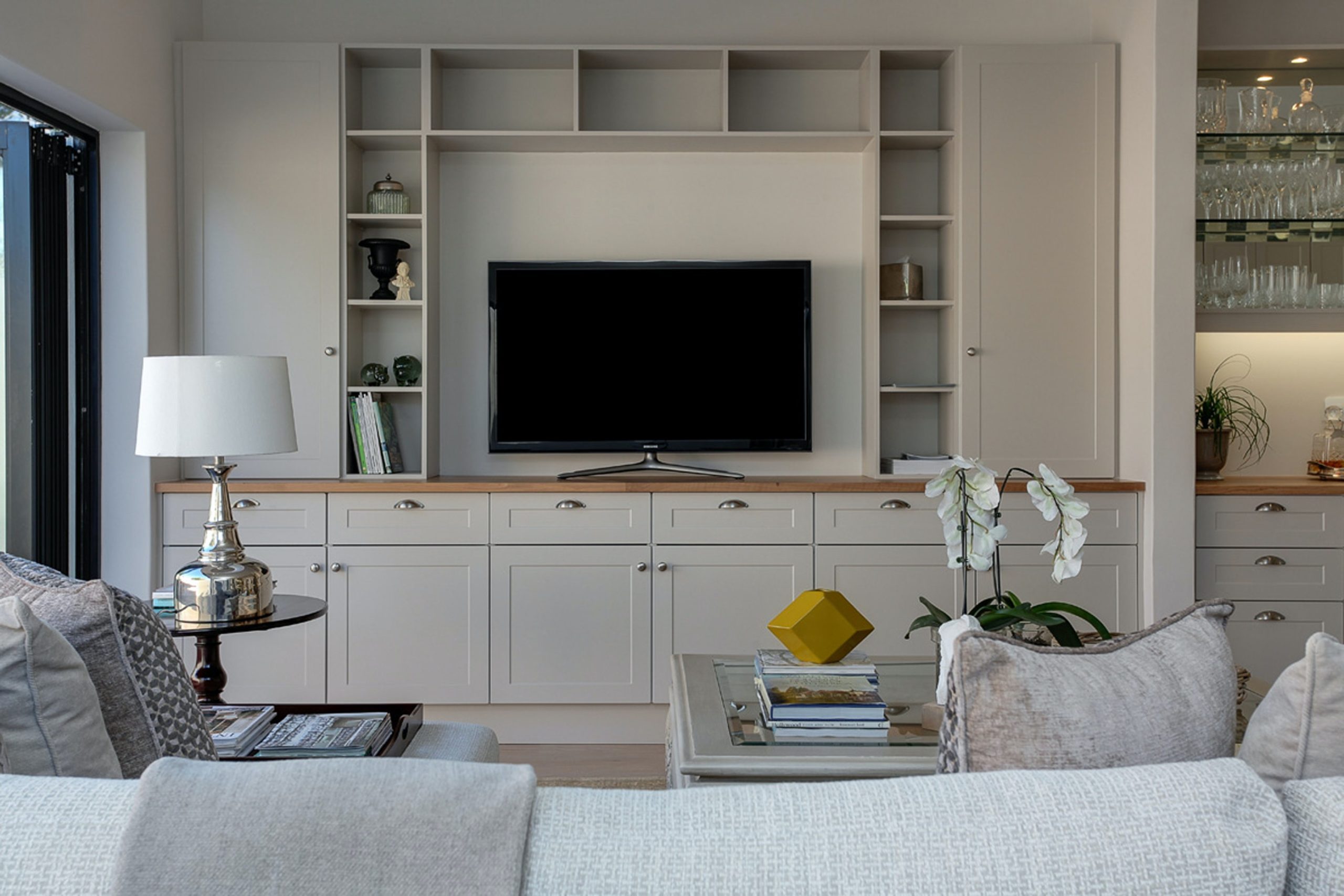
5 Single-Family Home Design Trends Shaping 2026

The takeaway for 2026: the most successful homes won’t be defined by size or trends, but by thoughtful design that supports real families and real life.

As we move into 2026, home design is becoming more intentional, flexible, and focused on real life. Buyers are no longer chasing trends—they’re choosing homes that support their families today and adapt for the future. Here are the five design trends defining new homes in 2026.


1. Timeless, Warm Design Over Flashy Trends

Clean lines remain popular, but 2026 brings a warmer, more livable feel. Neutral woods, soft textures, and classic materials are replacing stark modern finishes. The focus is on homes that feel inviting now and won’t feel dated years from today.


2. Kitchens as True Living Spaces

Kitchens continue to grow in importance, shifting from work zones to everyday gathering spaces. Open layouts, multifunctional islands, and smarter storage allow kitchens to support cooking, dining, entertaining, and family life—all in one place.


3. Smaller Homes With Smarter Layouts

Affordability is driving better design, not bigger homes. Buyers are choosing efficient floor plans with flexible rooms, open family spaces, and thoughtful details that maximize usability without unnecessary square footage.


4. Wellness Built Into Everyday Design

Wellness is no longer an add-on—it’s built into the home. Natural light, improved air quality, spa-inspired bathrooms, and calm, flexible spaces support both mental and physical well-being throughout daily life.


5. Flexible Spaces for Changing Lifestyles

Homes in 2026 are designed to evolve. Offices double as guest rooms, playrooms become teen lounges, and dens transform into quiet retreats. Flexibility is one of the most valuable features buyers are looking for.


The takeaway for 2026: the most successful homes won’t be defined by size or trends, but by thoughtful design that supports real families and real life.

One of our Reviews!

We just wanted to send “Uncle Wilson” and the Sunlight Heritage Homes employees a big Thank You for making our first home purchase an amazing experience. Our son Mateo gravitated to Wilson right away and even started calling him “uncle” during our walk through. What a sweet little surprise for our little boy to see these Cat Construction toys sitting on the counter when we walked into our beautiful new home! Thank you so much!

 ~ Randal, Victoria & Mateo Garcia

2026 Housing & Design Outlook: Why Thoughtful Design Will Lead the Next Market Shift

As we move into 2026, one word best describes the new-home market: transition.

After a softer and more uncertain 2025, early signs suggest momentum may be returning. If interest rates continue to ease as expected, buyer confidence could improve faster than many anticipate. Builders have already been buying down rates, and a more favorable lending environment may help unlock pent-up demand—particularly in the first half of the year.

But beyond interest rates, one factor is emerging as the true driver of the next market cycle: home design.

Design Is the Strongest Buying Motivator

In 2026, product strategy will matter more than ever. After location, design remains the most important factor influencing new-home purchases. Today’s buyers are not shopping for the biggest home—they’re looking for the right home.

Efficient layouts, open family spaces, flexible rooms, and thoughtful interior details are replacing excess square footage. Builders are responding by offering smaller, smarter homes that solve affordability challenges without sacrificing comfort or livability.

This shift marks a transition away from the post-pandemic dominance of spec homes and toward a more balanced mix of move-in-ready and built-to-order, design-forward options. Buyers want choice—and builders who deliver it by price point and market will see stronger absorption and long-term stability.


Suburban Living, Reimagined

Remote work continues to influence housing demand more than headlines suggest. As a result, suburban and edge-of-city communities remain highly desirable—especially those that offer walkability, safety, lifestyle amenities, and a strong sense of community.

Master-planned neighborhoods that balance affordability with emotional connection are well positioned to thrive in 2026 and beyond.


Kitchens Continue to Grow in Importance

Even as overall home sizes tightened in 2025, kitchens became larger and more central to daily life. Traditional kitchen layouts gave way to linear and zone-based designs that better support modern workflows.

Kitchen islands evolved into true gathering spaces—supporting cooking, dining, entertaining, and everyday connection. Increasingly, islands are also becoming sculptural focal points, blending function with standout design.

Looking ahead, kitchens in 2026 will feel more personalized, warmer in tone, and less like workspaces—serving instead as living spaces within the home.


Timeless Design Takes the Lead

Timeless, transitional design emerged as a defining theme in 2025 and will continue to dominate in 2026. Neutral wood tones, warm finishes, and classic materials now form the foundation of many new homes.

Paint palettes have shifted away from cooler grays toward warm whites, greiges, and earthy mid-tones—colors that feel approachable, livable, and easy to personalize. For many homeowners, timeless design also represents better value, reducing the need for costly updates over time.


Wellness Is Now Standard

Wellness-focused design moved firmly into the mainstream in 2025. Homes increasingly incorporate biophilic elements, spa-inspired bathrooms, wellness kitchens, and multifunctional spaces that support both mental and physical health.

Rather than dedicating entire rooms to a single purpose, homeowners are embracing flexible spaces that adapt to relaxation, movement, and everyday balance. Wellness is no longer a trend—it’s an expectation.


Designing for Emotion and Joy

Homeowners also gained confidence in self-expression. Color, texture, and layered design became tools for creating emotional connection, moving beyond all-white interiors that often felt sterile.

At the same time, timeless base palettes remained popular, allowing homeowners to personalize their spaces over time. This balance between longevity and individuality is shaping how new homes are designed today.


Is Modern Farmhouse Really Fading?

While some farmhouse details—like shiplap, distressed finishes, and barn doors—have fallen out of favor, the modern farmhouse as an architectural style remains strong.

Clean lines, updated materials, and simplified detailing continue to resonate with buyers who value warmth and familiarity without outdated décor. Farmhouse isn’t disappearing—it’s evolving.


Technology, AI, and the Road Ahead

Technology continues to support productivity and innovation in homebuilding, with AI offering meaningful short-term benefits. However, its long-term impact on employment and housing demand remains uncertain.

While these effects may not be fully realized in 2026, the next few years will be critical in shaping how technology influences homebuying power and economic growth.


The Biggest Opportunity Builders Control

Despite shifting markets, interest rates, and emerging technologies, one truth remains: design is the greatest opportunity builders control.

Homes that are thoughtfully designed—by market, by price point, and by lifestyle—will outperform in absorption, margin, and long-term value. In 2026, success won’t be defined by size or speed alone, but by how well homes support real families and real lives.

At Sunlight Heritage Homes, we believe great design isn’t about trends—it’s about building homes that last.

See some of our wonderful Homeowners reviews!

We were very happy with the service received from Sunlight Homes. What we liked was that we were able to deal directly with the owner who in turn contacted the trades himself and they came in to do any items we needed them to look at. We would recommend them to family and friends no problem!

 ~ Harry Dietrich

2026 Home Design Trends: Building Homes That Last, Not Just Impress

Featured

As 2026 approaches, single-family home design is entering a more thoughtful and purposeful era. Buyers are no longer chasing short-term trends or cookie-cutter layouts. Instead, they’re looking for homes with character, flexibility, and long-term livability—spaces that adapt as families grow and lifestyles evolve.

Across the industry, architects and builders are seeing a clear shift away from “one-size-fits-all” design. Today’s homeowners want intentional layouts, durable materials, and features that support comfort, wellness, and everyday life.

Intentional Design That Grows With You

One of the strongest themes for 2026 is longevity. Homeowners want designs that won’t feel dated in a few years and won’t require constant renovation. Flexible rooms that can transition from playrooms to home offices or guest suites are becoming essential, especially for multigenerational living.

This approach reflects a deeper mindset: homes are no longer just places to live—they reflect how we care for our families and plan for the future.

A Softer, Warmer Take on Luxury

Luxury in 2026 is quieter and more refined. Instead of flashy finishes, buyers are gravitating toward natural materials, thoughtful craftsmanship, and subtle elegance. Warm neutrals, light wood tones, and soft textures create inviting spaces that feel calm and lived-in.

Rounded edges, arches, and softer geometry are also making a comeback, helping interiors feel more comfortable and less rigid.

Personalization Over Perfection

Perfectly styled, “Instagram-ready” homes are giving way to spaces that feel personal and authentic. Homeowners want to showcase their favorite colors, books, art, and hobbies. Design is becoming more about self-expression than trends.

This personalization also extends to cabinetry, with bold choices like green or black cabinets gaining popularity, as well as statement stone backsplashes and flooring.

Wellness Built Into the Home

Wellness is no longer a separate feature—it’s embedded into how homes function. Thoughtful layouts that support mental and physical health, cozy nooks for relaxation, and spaces that encourage connection are all part of this shift.

Even bedroom layouts are evolving, with some homeowners embracing flexible or separate sleeping spaces to improve rest and overall well-being.

Smarter Homes, Not Just More Tech

Technology in 2026 is about solving real problems. Buyers want innovation that makes life easier, not more complicated. High-performance construction, energy efficiency, and durable finishes remain top priorities—especially when paired with comfort and lower monthly utility costs.

Smart storage solutions are also gaining traction, including floor-to-ceiling cabinetry, built-in drawers, and efficient use of overlooked spaces like under staircases.

Indoor-Outdoor Living, Reimagined

Open layouts that seamlessly connect indoor kitchens and living spaces to outdoor areas are becoming increasingly popular. Rather than simply bringing the outdoors in, homes are now designed to blur the line entirely—creating flexible spaces for entertaining, dining, and family gatherings.

Designed for Every Stage of Life

Universal design is becoming more important as homeowners think long-term. Wider doorways, walk-in showers, and easy-to-use appliances help ensure homes remain comfortable and functional at every stage of life.


At Sunlight Heritage Homes, we believe great design isn’t about trends—it’s about building homes that stand the test of time. The 2026 design outlook reinforces what matters most: thoughtful layouts, quality craftsmanship, and homes designed to support real families, real lives, and real futures.

See a review from one of our wonderful Sunlight Heritage Homes homeowners!

We are thrilled with our new home from Sunlight! We were able to select a wide variety of wonderful customized options to make our home perfect for us and we are very impressed with the attention to detail. Sunlight has been very helpful to us throughout the process of buying our home and settling in.

 ~ Josh & Lindsay

Why Buying a New Home with Sunlight Heritage Homes is a Better Option Than Renting

For many people, the decision to buy a new home can be daunting. With so many factors to consider, it can be difficult to know whether buying a new home or renting a house is the right choice for you. At Sunlight Heritage Homes, we believe that buying a new home offers many advantages over renting. Here are some of the key benefits:

Every Dollar Matters!

Long-Term Financial Stability
When you rent a house, you are essentially paying someone else’s mortgage. In contrast, buying a new home with Sunlight Heritage Homes can provide long-term financial stability. With a fixed-rate mortgage, you know exactly how much you will pay each month for the life of the loan. Additionally, owning a home allows you to build equity, which can increase your net worth over time.

Customization and Personalization
When you buy a new home with Sunlight Heritage Homes, you have the ability to customize and personalize your space to meet your unique needs and preferences. You can choose your floor plan, finishes, and features, and create a home that reflects your style and taste. In contrast, when you rent a house, you are limited in terms of what changes you can make to the space.

Sense of Community
Owning a home provides a sense of community and belonging that can be difficult to achieve when you are renting. As a homeowner, you have a stake in the community and are more likely to get involved in local events and organizations. Additionally, owning a home can help you establish deeper relationships with your neighbors, creating a more supportive and tight-knit community.

Your Home? Your Choice!

Investment in Your Future
Buying a new home with Sunlight Heritage Homes is an investment in your future. Unlike renting, where you are essentially throwing money away each month, owning a home allows you to build equity and increase your net worth over time. Additionally, owning a home provides a sense of stability and security, which can be especially important for families.

Creating the Perfect Deck for Your New Sunlight Heritage Home

A deck is a great addition to any home, providing a space for relaxation, entertaining, and enjoying the outdoors. At Sunlight Heritage Homes, we specialize in building custom homes that are tailored to meet our clients’ needs and preferences. If you’re considering adding a deck to your new home, here are some design tips and considerations to keep in mind:

Determine Your Deck’s Purpose
Before you start designing your deck, consider its intended use. Will you be using it primarily for entertaining, or do you want a space for relaxation and privacy? Would you like to add a dining area or outdoor kitchen? Determining the purpose of your deck will help you decide on its size, shape, and features.

Consider Your Materials
At Sunlight Heritage Homes, we offer a range of decking materials to suit your style and budget. Whether you prefer the natural beauty of wood or the durability of composite decking, we can help you choose the right materials for your needs. Additionally, we can advise you on the best decking finishes to ensure that your deck stays looking great for years to come.

Incorporate Lighting and Accessories
Adding lighting and accessories to your deck can enhance its functionality and beauty. Consider installing built-in lighting to create a warm and inviting atmosphere. Additionally, outdoor speakers, a fire pit, or a water feature can add ambiance and help you create your dream outdoor living space.

Consult with a Professional
Designing and building a deck is a big project that requires careful planning and execution. At Sunlight Heritage Homes, we have a team of experts who can help you design and build the perfect deck for your new home. Our team will work with you to ensure that your deck meets your specific needs and preferences, and that it is built to last.

In conclusion, adding a deck to your new home can provide you with a beautiful and functional outdoor living space. At Sunlight Heritage Homes, we offer a range of decking materials and finishes to help you create the perfect deck for your needs. With our team of experts, you can rest assured that your deck will be built to the highest standards of quality and craftsmanship.

New to the Neighborhood? Here’s How to Make Friends Fast!

Moving to a new neighborhood can be a little overwhelming, especially when it comes to making new friends. But fear not! As one of the leading home builders in London, Ontario and Tavistock, Ontario, Sunlight Heritage Homes has some tips to help you make friends and feel right at home in your new community.

Introduce Yourself to Your Neighbors
As soon as you move in, take the time to introduce yourself to your neighbors. Sunlight Heritage Homes’ custom-built homes in London and Tavistock are located in welcoming communities with friendly neighbors who are eager to meet new residents. Make a good first impression by greeting your neighbors with a smile and introducing yourself. Don’t be shy – let them know that you’re new to the area and excited to get to know them better.

Attend Community Events
Community events are a great way to meet new people and get involved in your neighborhood. Sunlight Heritage Homes’ new homes in London and Tavistock are located near a variety of events, such as festivals, farmers markets, and charity events. Check local bulletin boards or community center websites to find out what events are happening in your area. Attending these events can give you a chance to mingle with your neighbors and learn more about the community.

Join Clubs or Groups
Joining a club or group that interests you is a great way to meet people who share your interests. Sunlight Heritage Homes’ custom-built homes in London and Tavistock are located near a variety of clubs and groups, such as book clubs, running groups, and knitting groups. Joining one of these groups can provide a platform for you to meet new people who share your interests and make lasting friendships.

Volunteer
Volunteering is a great way to meet new people and give back to your community. Sunlight Heritage Homes’ new homes in London and Tavistock are located near a variety of volunteer opportunities, such as local events, schools, and charities. By volunteering, you can meet new people, make a positive impact on your community, and show your commitment to the neighborhood.

Attend Neighborhood Meetings
Attending neighborhood meetings is a great way to stay informed about community issues and get involved in local initiatives. Sunlight Heritage Homes’ new homes in London and Tavistock are located in neighborhoods that are active in community engagement. Attending these meetings can give you a chance to meet other residents, hear about local events or projects, and learn about any opportunities to get involved in neighborhood improvement projects.

In conclusion, making friends in a new neighborhood can be challenging, but it’s possible with a little effort. Sunlight Heritage Homes’ custom-built homes in London and Tavistock are located in welcoming communities with friendly neighbors. By introducing yourself to your neighbors, attending community events, joining clubs, volunteering, and attending neighborhood meetings, you can quickly make friends and become an active member of your new community. So why not take the first step and start building those new friendships today?

What is a Conditional Offer?

As you embark on your journey to buy a new home, you will likely come across the term “conditional offer” during the negotiation process. In essence, a conditional offer is an offer made by a potential buyer to purchase a property, but with certain conditions that must be met before the sale can be completed. These conditions can vary from one offer to another, but they generally provide protection for the buyer and allow them to ensure that the property meets their expectations before the sale is finalized.

At Sunlight Heritage Homes, we understand that buying a new home is a significant investment, and we want to make sure that our clients feel comfortable with the purchasing process. In this blog, we’ll explain how conditional offers work and why they can be beneficial for both buyers and sellers.

What is a Conditional Offer?

A conditional offer is a type of offer that is made on a property with specific conditions attached. These conditions must be met before the sale of the property can be finalized. These conditions can vary depending on the buyer’s needs and can cover a range of issues such as financing, home inspections, and the sale of the buyer’s current home.

Some common conditions that a buyer may include in a conditional offer include:

Financing conditions: The buyer may require that they receive approval for a mortgage from their lender before the sale can be completed.
Home inspection conditions: The buyer may require that the property passes a home inspection before the sale can be completed.
Sale of current home conditions: The buyer may require that they sell their current home before the sale of the new property can be finalized.
Benefits of Conditional Offers

Conditional offers can provide a range of benefits to both buyers and sellers. For buyers, they can provide peace of mind and protection against potential issues that may arise during the home-buying process. By including specific conditions in the offer, buyers can ensure that they are not committed to purchasing a property that may have significant issues.

For sellers, conditional offers can provide a way to sell their property while also protecting their interests. By accepting a conditional offer, sellers can avoid the risk of committing to a sale that may fall through due to issues with financing or home inspections.

It’s essential to note that accepting a conditional offer does not mean that the property is off the market. Other potential buyers can still make offers on the property, and if they make a better offer, the seller can choose to accept it.

Final Thoughts

In conclusion, conditional offers can provide significant benefits to both buyers and sellers during the home-buying process. They allow buyers to ensure that they are not committing to a property that may have significant issues, and they provide sellers with a way to sell their property while also protecting their interests.

At Sunlight Heritage Homes, we work closely with our clients to help them navigate the home-buying process. We understand the importance of making informed decisions when it comes to purchasing a new home, and we are committed to providing our clients with the support they need to make the best decision for their needs. If you have any questions about conditional offers or the home-buying process, please don’t hesitate to reach out to us.

Mud Rooms: What Are They and How to Best Utilize Them in Your Home

Hello everyone, this weeks posting is all about mudrooms.  Winter and fall being the two seasons where layers seem to be never ending.  You find yourself needing space and an area to store all of those winter boots, jackets and scarves.  This is when a functional mudroom becomes very handy.  In most of our plans mudrooms do come with the home, however the built in shelving does now.  We do offer build in bench and shelving as an option to finish customizing your home.  Below I show some photos of great ideas to include in your homes for mudrooms.

mudroom

Simple hooks, wall paneling and a shelf.

mudroom2

Custom built ins like these help keep things DE-cluttered and organized.

mudroom 3

This can easily be achieved as a DIY with building a box for a bench , some upholstery fabric and cushion, shelf and hooks from your local hardware store.

mudroom 4

Have the space to keep your mudroom hidden? Do so with a rustic barn door!

Great ideas for mudrooms, even if you don’t have tons of space to do build ins or a bench. adding some decorative hooks can also be beneficial, better than seeing coats cluttered in a corner and piled on top of each other.

Ask us how to get custom shelving and bench into your home.

Lilly Cordeiro, Sunlight Heritage Homes

How To Get Your Furniture Arranged The Right Way.

 Furniture Arranging

So you have bought your brand new home and you don’t know where to start when it comes to filling it up with furniture.  Knowing the basic layout rules can be a huge help, and get you a fun a polished look to every room.  I’ve taken some of the basic rules of furniture arranging and parted them into 10 simple tips. These will absolutely help you figure out where to put things, where not to put things and how to assist you with the choices you will be making.

Tip #1

Planning
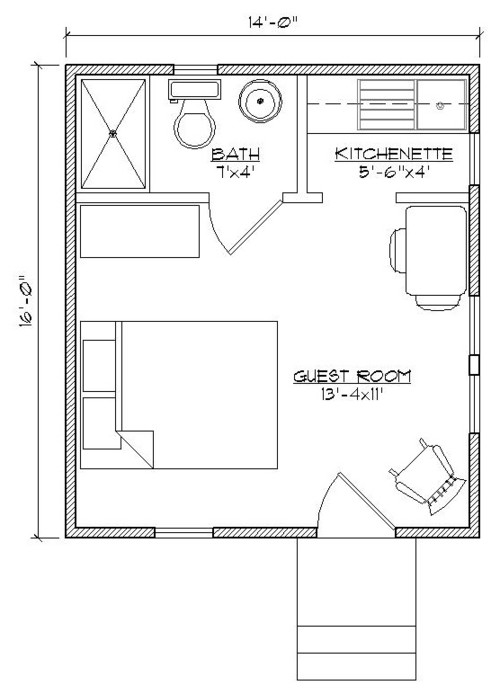
First things first, before moving any actual furniture you need to have a plan in place.  Test your design on paper to make sure everything is included and in order.  Measure the room’s dimensions, noting the location of windows, doors, heat registers and electrical outlets, then draw up a floor plan on graph paper using cutouts to represent the furnishings. Or, better yet, use a free online room planner, they have everything these days.  Learn to draw the space and test various furniture configurations. It’s less work and a lot more fun.

Tip#2

Function

You need to think about how many people will be using this space and how the room will be used.  That will ultimately lead you towards what type of furnishings you’ll need and the amount of seating required.

Contemporary Living Room by Las Vegas Architects & Designers DANIELLA VILLAMIL INTERIORS

Tip #3

Focal Point

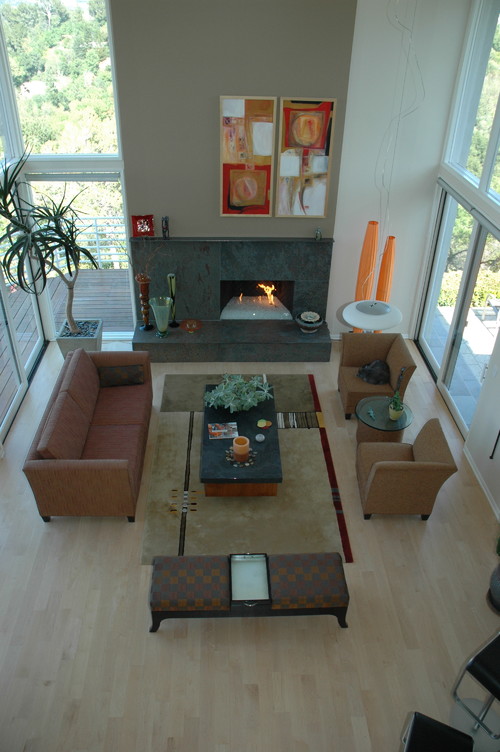
Knowing what your focal point is, is a very important aspect when furnishing a space.  It can be anything from a fireplace, view, television etc.  You would then organize the furniture accordingly.  If you plan to use this room to watch TV the ideal distance between the set and the seating is three times the size of the screen (measured diagonally). Therefore, if you’ve got a 40-inch television, your chair should be 120 inches away.

Transitional Living Room by Chicago Photographers Marcel Page Photography

Tip #4

Priority

Place the largest pieces of furniture first, like the sofa in the living room or a bed in the bedroom. Usually these pieces should be facing the focal point in the room. Chairs should be no more than 8 feet apart to keep it close in proximity for conversation. Unless your room is a little smaller, try to avoid pushing all the furniture against the walls.  About a 6″ gap between the walls and furniture will give the illusion that the space is larger due to the shadow it creates.

Tip #5
Symmetry
We all have learned about symmetry at one point in our lives.  This is a very useful tip when it comes to styling your home.  Symmetrical arrangements work best for formal rooms, this is when you can split a room in half and each side is exactly the same. Asymmetrical arrangements make a room feel more casual.  Keep in mind that the pieces you do use fill the same amount of visual weight.  If this is off your room will look off as well.
Tip #6
Traffic
This is when Function ties into the space as well.  You need to think about the traffic flow through the room, the pathways into the room.  Don’t block that path with any large pieces of furniture if you can avoid it. Allow 30 to 48 inches of width for major traffic areas and a minimum of 24 inches of width for minor ones. A maximum seating area is 12 ‘ x 12’.  So be sure to consider anything bigger you would need to split up and create a different seating area.
Tip #7
Variety
You want to vary in the size furniture pieces you use throughout the room.  Doing this allows your eyes move up and down as you scan the space.  Balance a larger or taller item by placing another piece of similar height across the room from it (or use art to replicate the scale or visual weight).  Try to avoid putting two of the similar size objects next to each other.  This can look bland and un lively.
Tip#8
Contrast
This is all about mixing different shapes of furniture.  Combining straight and curved lines to help create contrast. If the furniture is modern and more linear, throw in a round table for contrast. If the furniture is curvy, mix in an angular or straight edged piece. Also consider pairing solids with voids.  For example combine a leggy chair with a solid side table, or a solid chair with a leggy table.
Tip #9
Easy Use
When placing your furniture in a room you should definitely keep in mind the proximities.  By Placing a table within easy reach of every  seat, being sure to combine pieces of similar scale, and make sure every reading chair has an accompanying lamp. Coffee tables should be located 14 to 18 inches from a sofa to provide sufficient legroom.  This also takes your guests comfort into consideration, imagine having a glass of wine and not having a place in easy reach to place it down for a minute.
Tip #10
Circulation.
So far I have only been discussing seating areas in living rooms and family rooms, bedrooms. However a dining room is just as important In a home.  Make sure there’s at least 48 inches between each edge of the table and the nearest wall or piece of furniture. If traffic doesn’t pass behind the chairs on one side of the table, 36 inches should be enough. In bedrooms allow at least 24 inches between the side of the bed and a wall, and at least 36 inches between the bed and a swinging door.
With all of these Tips I am sure that filling up your home will be a lot less stressful and a lot more fun.  This wont make you a designer over night but it will most defiantly help you and make decorating more fun rather than work!
Lilly Cordeiro