2026 Home Design Trends: Building Homes That Last, Not Just Impress

Featured

As 2026 approaches, single-family home design is entering a more thoughtful and purposeful era. Buyers are no longer chasing short-term trends or cookie-cutter layouts. Instead, they’re looking for homes with character, flexibility, and long-term livability—spaces that adapt as families grow and lifestyles evolve.

Across the industry, architects and builders are seeing a clear shift away from “one-size-fits-all” design. Today’s homeowners want intentional layouts, durable materials, and features that support comfort, wellness, and everyday life.

Intentional Design That Grows With You

One of the strongest themes for 2026 is longevity. Homeowners want designs that won’t feel dated in a few years and won’t require constant renovation. Flexible rooms that can transition from playrooms to home offices or guest suites are becoming essential, especially for multigenerational living.

This approach reflects a deeper mindset: homes are no longer just places to live—they reflect how we care for our families and plan for the future.

A Softer, Warmer Take on Luxury

Luxury in 2026 is quieter and more refined. Instead of flashy finishes, buyers are gravitating toward natural materials, thoughtful craftsmanship, and subtle elegance. Warm neutrals, light wood tones, and soft textures create inviting spaces that feel calm and lived-in.

Rounded edges, arches, and softer geometry are also making a comeback, helping interiors feel more comfortable and less rigid.

Personalization Over Perfection

Perfectly styled, “Instagram-ready” homes are giving way to spaces that feel personal and authentic. Homeowners want to showcase their favorite colors, books, art, and hobbies. Design is becoming more about self-expression than trends.

This personalization also extends to cabinetry, with bold choices like green or black cabinets gaining popularity, as well as statement stone backsplashes and flooring.

Wellness Built Into the Home

Wellness is no longer a separate feature—it’s embedded into how homes function. Thoughtful layouts that support mental and physical health, cozy nooks for relaxation, and spaces that encourage connection are all part of this shift.

Even bedroom layouts are evolving, with some homeowners embracing flexible or separate sleeping spaces to improve rest and overall well-being.

Smarter Homes, Not Just More Tech

Technology in 2026 is about solving real problems. Buyers want innovation that makes life easier, not more complicated. High-performance construction, energy efficiency, and durable finishes remain top priorities—especially when paired with comfort and lower monthly utility costs.

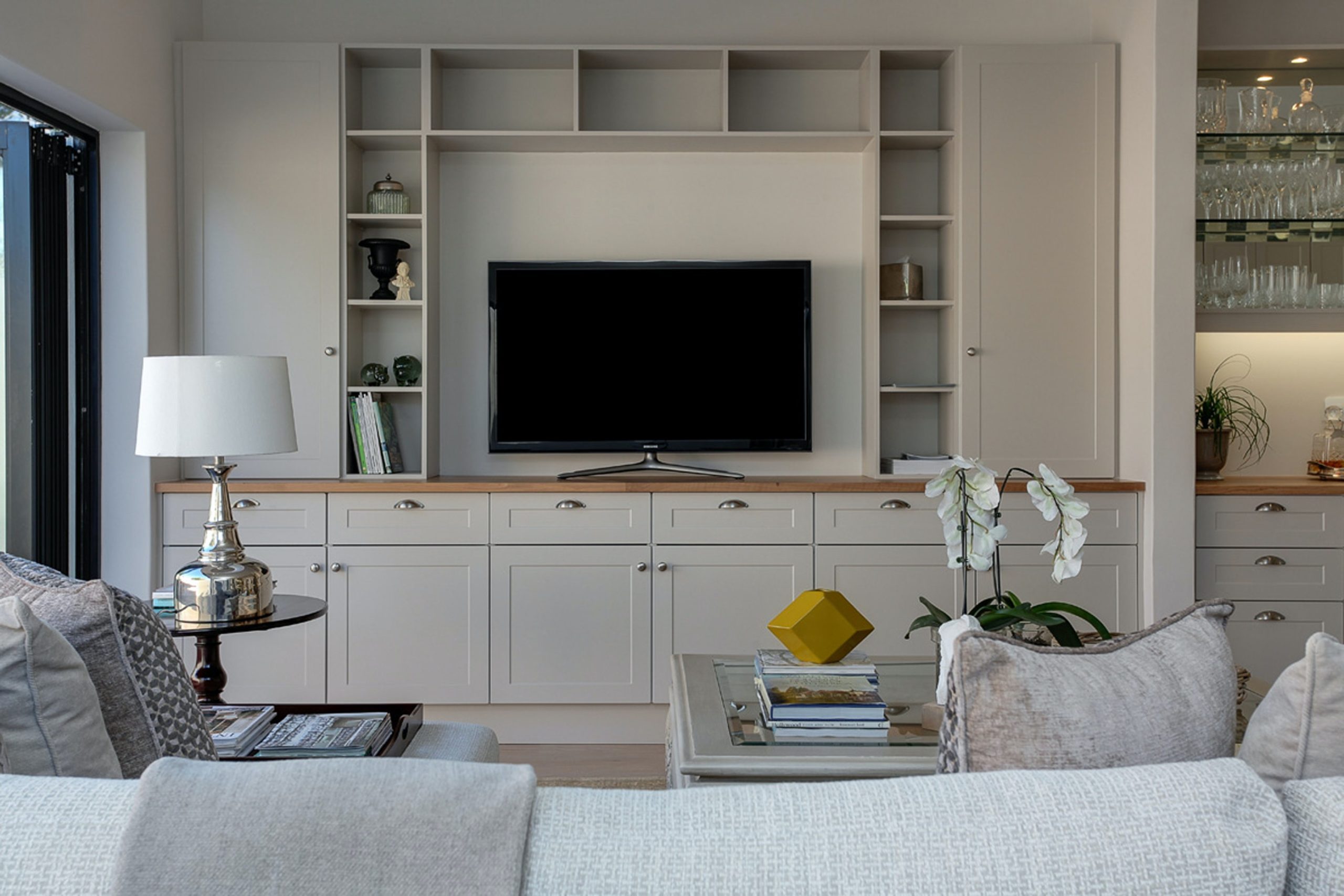
Smart storage solutions are also gaining traction, including floor-to-ceiling cabinetry, built-in drawers, and efficient use of overlooked spaces like under staircases.

Indoor-Outdoor Living, Reimagined

Open layouts that seamlessly connect indoor kitchens and living spaces to outdoor areas are becoming increasingly popular. Rather than simply bringing the outdoors in, homes are now designed to blur the line entirely—creating flexible spaces for entertaining, dining, and family gatherings.

Designed for Every Stage of Life

Universal design is becoming more important as homeowners think long-term. Wider doorways, walk-in showers, and easy-to-use appliances help ensure homes remain comfortable and functional at every stage of life.


At Sunlight Heritage Homes, we believe great design isn’t about trends—it’s about building homes that stand the test of time. The 2026 design outlook reinforces what matters most: thoughtful layouts, quality craftsmanship, and homes designed to support real families, real lives, and real futures.

See a review from one of our wonderful Sunlight Heritage Homes homeowners!

We are thrilled with our new home from Sunlight! We were able to select a wide variety of wonderful customized options to make our home perfect for us and we are very impressed with the attention to detail. Sunlight has been very helpful to us throughout the process of buying our home and settling in.

 ~ Josh & Lindsay
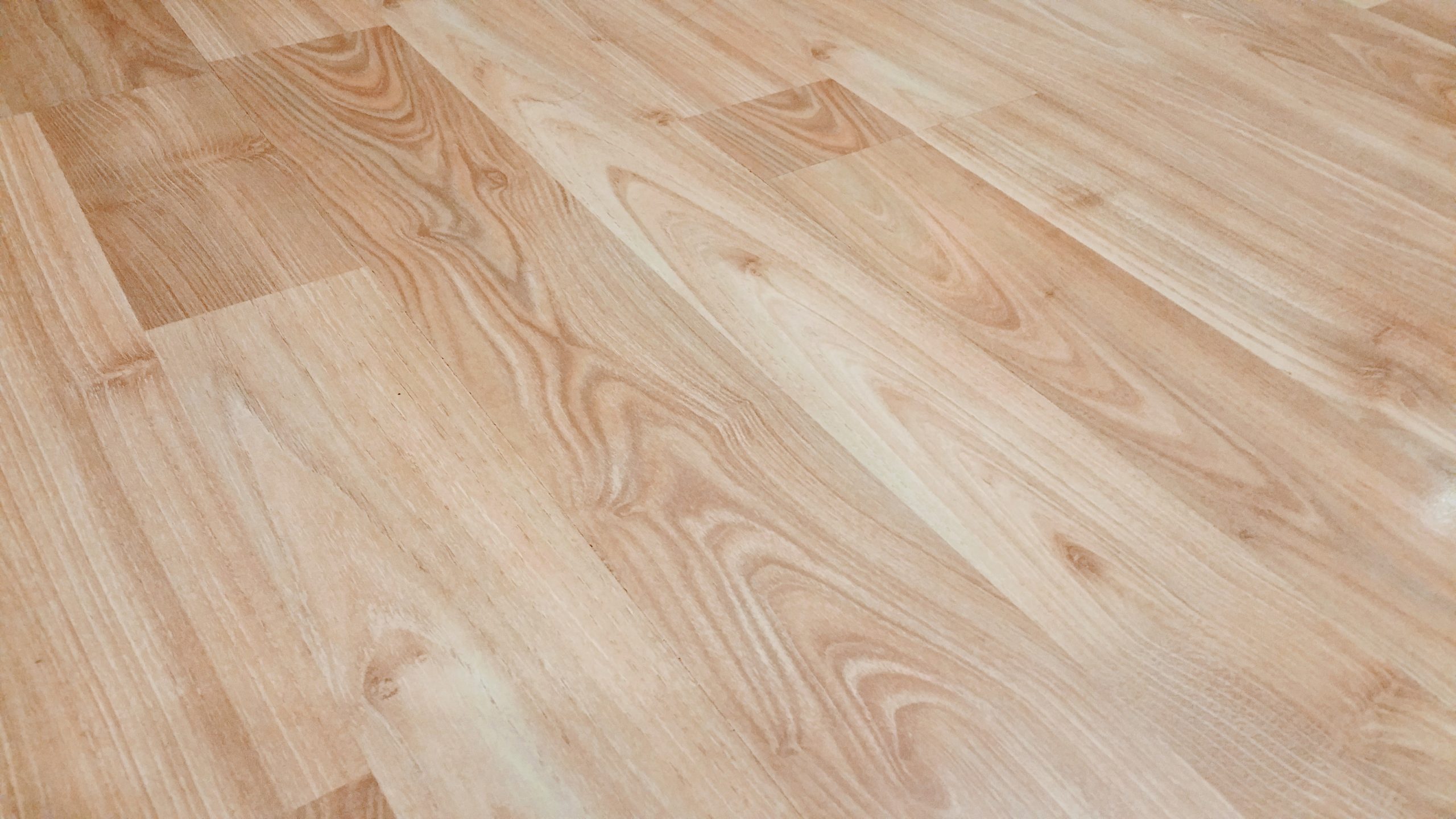
The Ultimate Guide to Flooring Options When Building a New Home with Sunlight Heritage Homes!

Choosing the right flooring for your new home is an important decision that will impact both the look and feel of your space. With so many options available, it can be overwhelming to decide which flooring is right for your family’s needs. At Sunlight Heritage Homes, we offer a range of flooring options to suit any style and budget. Here’s a breakdown of some popular flooring options to consider when building a new home:

Hardwood Flooring
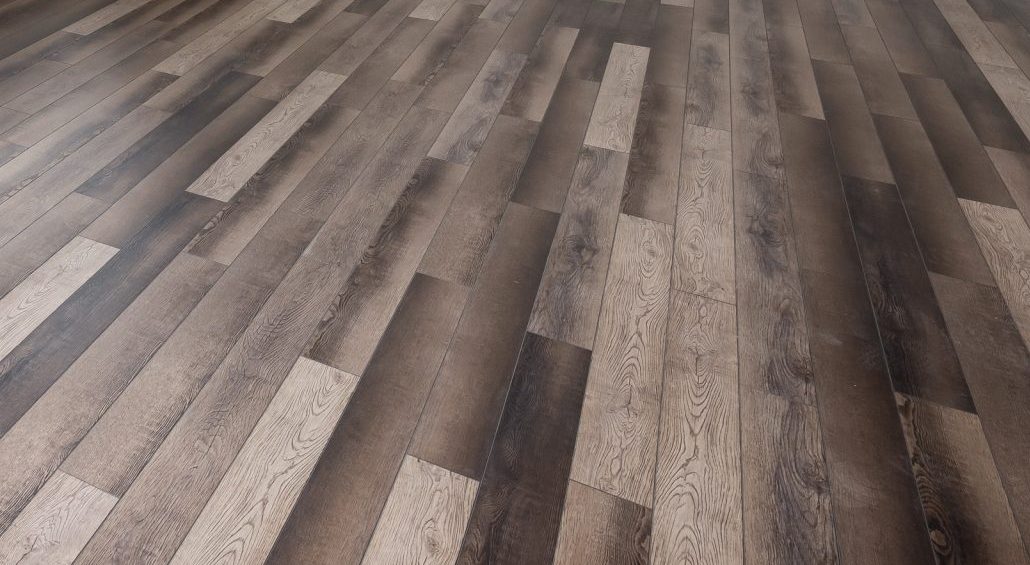
Hardwood flooring is a classic choice that can add warmth and elegance to any room. Hardwood flooring is durable and can last for decades if properly maintained. It’s available in a variety of finishes and wood types, and it can be refinished to restore its original beauty.

Laminate Flooring
Laminate flooring is a cost-effective option that can mimic the look of hardwood, tile, or stone. It’s easy to clean and maintain, and it’s a great choice for high-traffic areas. Additionally, laminate flooring is resistant to scratches, stains, and fading.

Tile Flooring
Tile flooring is a popular option for kitchens, bathrooms, and entryways due to its durability and water resistance. It’s available in a range of colors, textures, and patterns, and it’s easy to clean and maintain.

Carpet Flooring
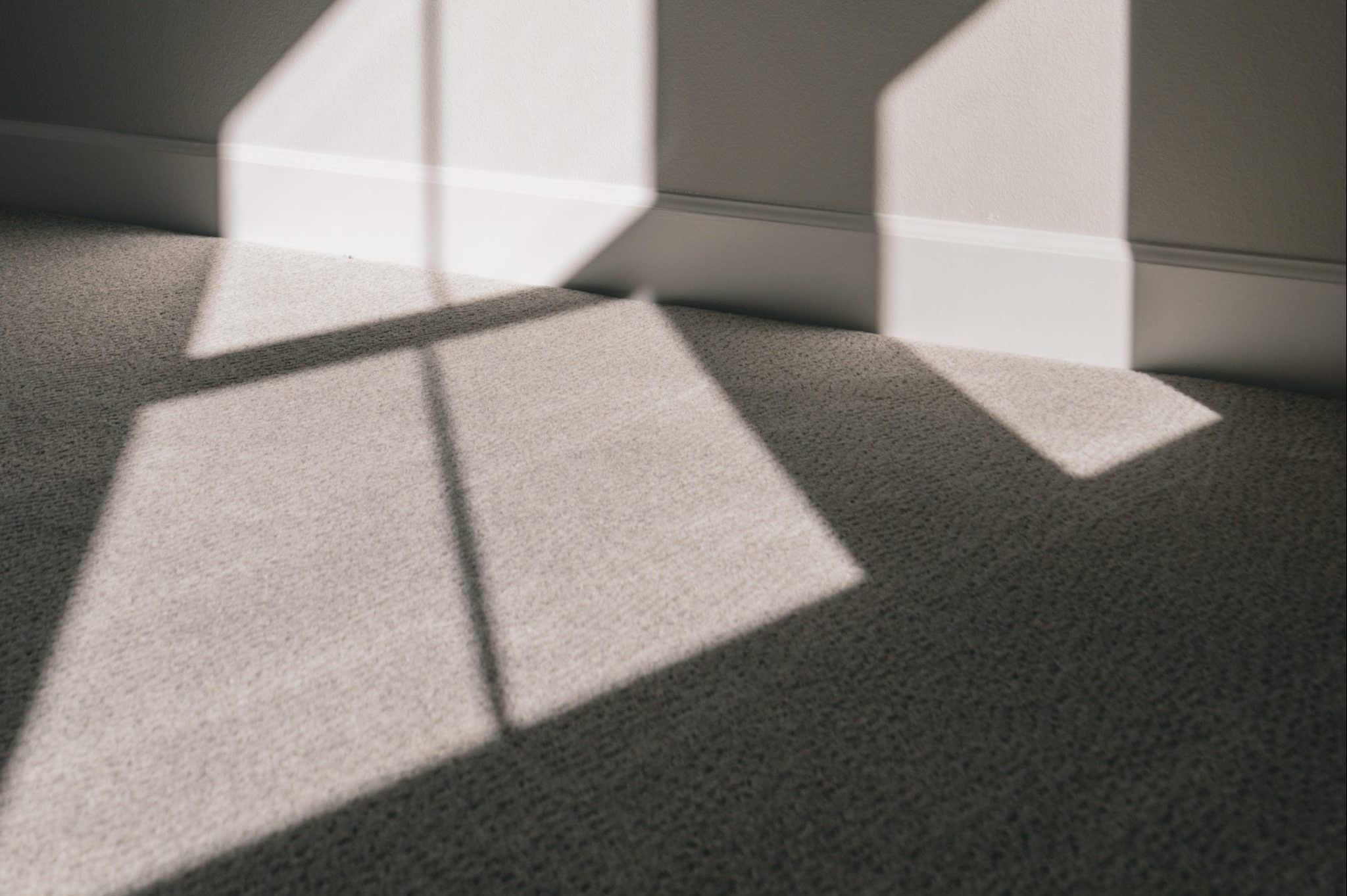
Carpet flooring is a comfortable and cozy option that can add warmth and softness to any room. It’s available in a range of colors and textures, and it can provide insulation and noise reduction.

Vinyl Flooring
Vinyl flooring is a versatile option that can mimic the look of hardwood, tile, or stone. It’s easy to clean and maintain, and it’s a great choice for high-traffic areas. Additionally, vinyl flooring is durable and water-resistant.

In conclusion, choosing the right flooring for your new home is an important decision that will impact both the look and feel of your space. At Sunlight Heritage Homes, we offer a range of flooring options to suit any style and budget. From hardwood and laminate to tile, carpet, and vinyl, there are plenty of flooring options to consider when building a new home. Our team of experts can help you choose the perfect flooring for your family’s needs.

Designing a Family Functional Living Room with Sunlight Heritage Homes

The living room is the heart of any home, and it’s the place where families come together to relax, unwind, and spend quality time with each other. When designing a living room that is both functional and stylish, there are a few key factors to consider. With the help of Sunlight Heritage Homes, you can create a space that is perfect for your family’s needs.

Choose Comfortable and Durable Furniture
When choosing furniture for your living room, it’s essential to prioritize comfort and durability. Sofas and chairs that are comfortable and supportive will encourage your family to spend more time together in the living room. Additionally, choosing durable materials such as leather or sturdy fabrics will ensure that your furniture lasts for years to come.

Consider Storage Options
To keep your living room organized and clutter-free, it’s important to have ample storage options. Consider incorporating built-in shelving or cabinets to keep books, toys, and other items organized and out of sight.

Create a Focal Point
A focal point can be a piece of artwork, a fireplace, or even a large window with a beautiful view. By creating a focal point in your living room, you’ll draw the eye to a specific area of the room and create a sense of visual interest.

Add Plenty of Lighting
Lighting is a crucial element of any living room design. It’s important to incorporate a mix of overhead lighting, task lighting, and ambient lighting to create a warm and inviting space. Additionally, incorporating natural light through windows or skylights can help to make your living room feel bright and welcoming.

Incorporate Functional Accessories
Functional accessories such as ottomans, coffee tables with storage, and side tables can help to make your living room more functional. These items can provide additional seating or storage, and they can also serve as a surface for drinks and snacks.

In conclusion, designing a family functional living room is all about creating a space that is comfortable, organized, and welcoming. By prioritizing comfort and durability, incorporating ample storage options, creating a focal point, adding plenty of lighting, and incorporating functional accessories, you can create a living room that is perfect for your family’s needs. With the help of Sunlight Heritage Homes, you can design a living room that you and your family will love for years to come.

7 Must-Have Kitchen Gadgets for Your New Home

Buying a new home is an exciting adventure, and having a well-equipped kitchen can make settling into your new space even more enjoyable. As you prepare to move into your new home, it’s worth considering some of the must-have kitchen gadgets that can help make your cooking and meal prep easier and more efficient. Here are some of the best kitchen gadgets to consider adding to your new home’s kitchen.

Instant Pot
An Instant Pot is a versatile kitchen gadget that can save you time and space in your kitchen. It’s an all-in-one appliance that functions as a pressure cooker, slow cooker, rice cooker, and more. This gadget can cook meals quickly, and it’s perfect for busy weeknights when you don’t have time to spend hours in the kitchen.

Air Fryer
An air fryer is another must-have kitchen gadget that can help you cook healthier meals without sacrificing flavor. It’s a countertop appliance that uses hot air to cook food, so you can enjoy the crispy texture of fried food without the extra calories and fat.

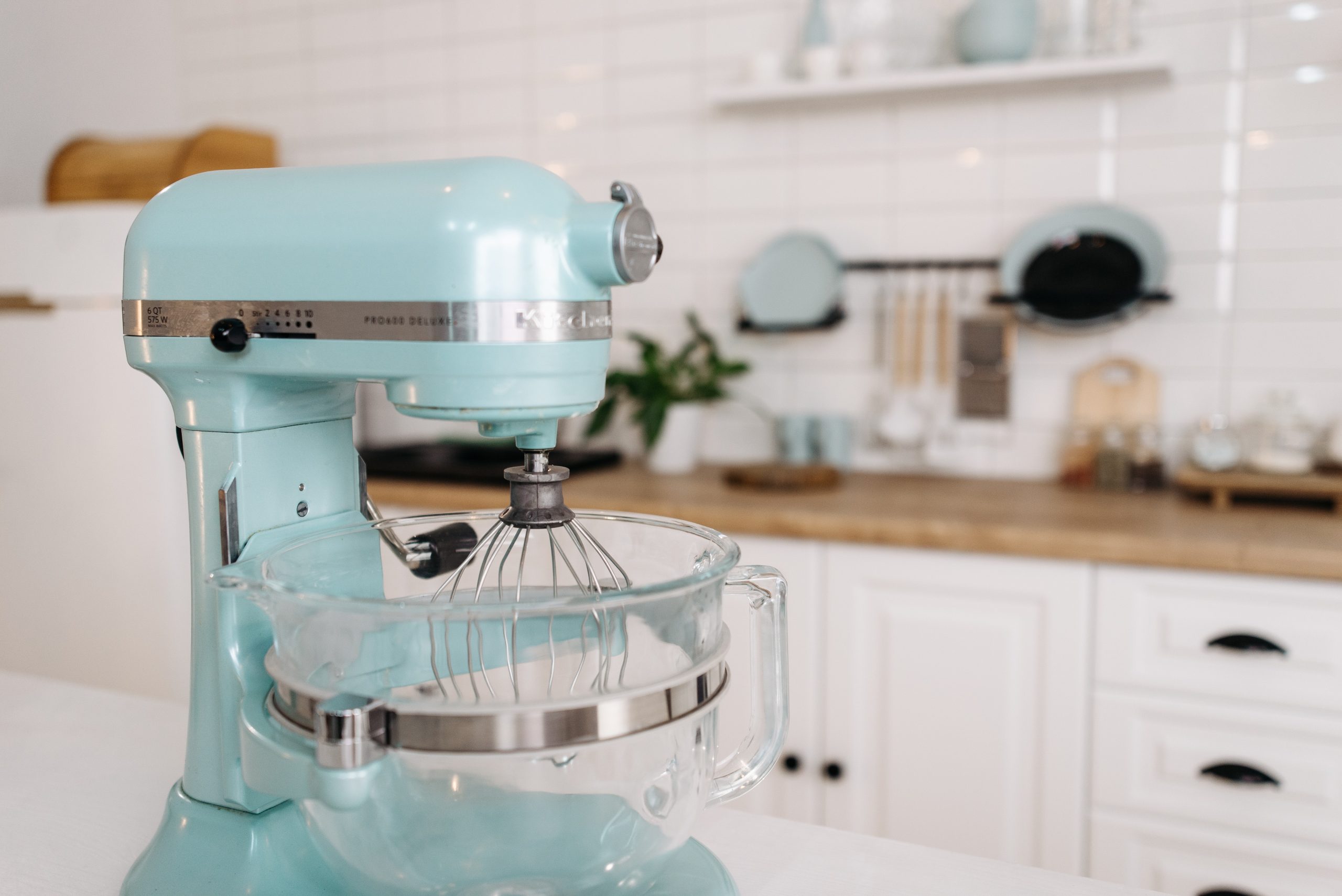
Stand by your Mixes!

Stand Mixer
A stand mixer is a versatile kitchen gadget that can help you whip up baked goods and other recipes with ease. It’s a hands-free tool that can mix, knead, and blend ingredients, making it perfect for recipes that require a lot of mixing.

Food Processor
A food processor is a versatile gadget that can help you chop, blend, and puree ingredients quickly and easily. It’s perfect for making sauces, dips, and other recipes that require finely chopped or blended ingredients.

Blending can be a very Immersive experience!

Immersion Blender
An immersion blender is a handheld gadget that can help you blend ingredients right in the pot or pan. It’s perfect for making soups, sauces, and other recipes that require blending, without having to transfer ingredients to a blender.

Blender
A high-quality blender is a must-have kitchen gadget for making smoothies, soups, and other blended recipes. Look for a blender with a powerful motor and sturdy blades to ensure it can handle tough ingredients like ice and frozen fruit.

Sous Vide Machine
A sous vide machine is a gadget that can help you cook food at a precise temperature, resulting in perfectly cooked meals every time. It’s a great tool for cooking meats and vegetables, and it can even be used to make desserts like custards and puddings.

In conclusion, having the right kitchen gadgets can make meal prep and cooking easier and more enjoyable. As you prepare to move into your new home, consider adding these must-have kitchen gadgets to your shopping list: Instant Pot, air fryer, stand mixer, food processor, immersion blender, blender, and sous vide machine. With these gadgets in your kitchen, you’ll be ready to cook up a storm and enjoy your new home in no time!

How To Get Your Furniture Arranged The Right Way.

 Furniture Arranging

So you have bought your brand new home and you don’t know where to start when it comes to filling it up with furniture.  Knowing the basic layout rules can be a huge help, and get you a fun a polished look to every room.  I’ve taken some of the basic rules of furniture arranging and parted them into 10 simple tips. These will absolutely help you figure out where to put things, where not to put things and how to assist you with the choices you will be making.

Tip #1

Planning
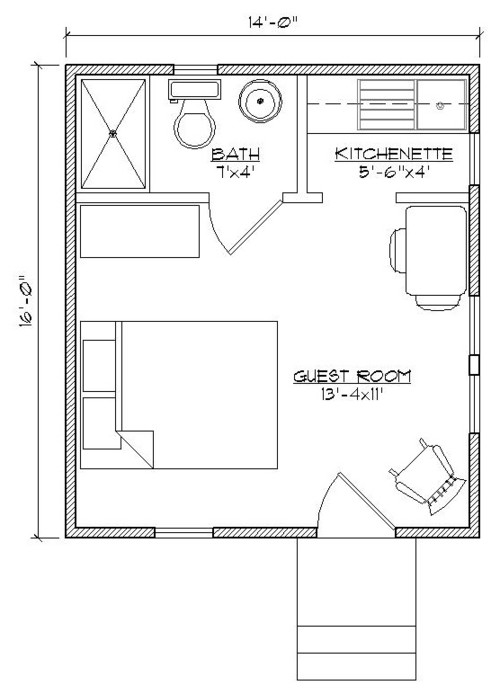
First things first, before moving any actual furniture you need to have a plan in place.  Test your design on paper to make sure everything is included and in order.  Measure the room’s dimensions, noting the location of windows, doors, heat registers and electrical outlets, then draw up a floor plan on graph paper using cutouts to represent the furnishings. Or, better yet, use a free online room planner, they have everything these days.  Learn to draw the space and test various furniture configurations. It’s less work and a lot more fun.

Tip#2

Function

You need to think about how many people will be using this space and how the room will be used.  That will ultimately lead you towards what type of furnishings you’ll need and the amount of seating required.

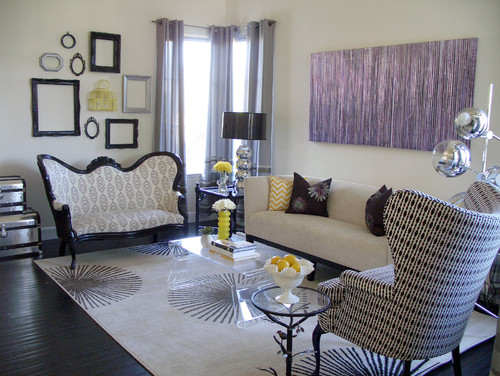
Contemporary Living Room by Las Vegas Architects & Designers DANIELLA VILLAMIL INTERIORS

Tip #3

Focal Point

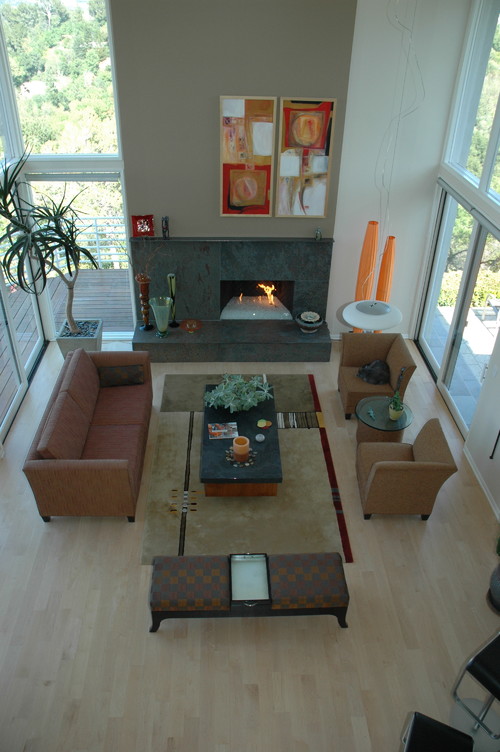
Knowing what your focal point is, is a very important aspect when furnishing a space.  It can be anything from a fireplace, view, television etc.  You would then organize the furniture accordingly.  If you plan to use this room to watch TV the ideal distance between the set and the seating is three times the size of the screen (measured diagonally). Therefore, if you’ve got a 40-inch television, your chair should be 120 inches away.

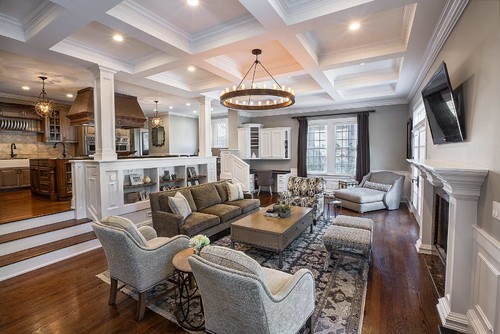
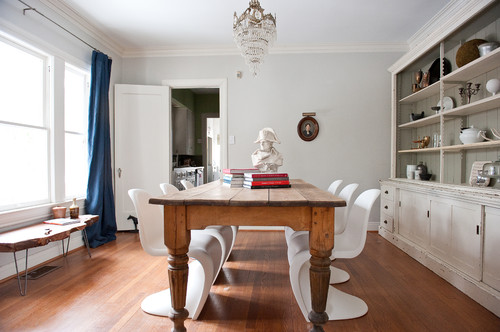
Transitional Living Room by Chicago Photographers Marcel Page Photography

Tip #4

Priority

Place the largest pieces of furniture first, like the sofa in the living room or a bed in the bedroom. Usually these pieces should be facing the focal point in the room. Chairs should be no more than 8 feet apart to keep it close in proximity for conversation. Unless your room is a little smaller, try to avoid pushing all the furniture against the walls.  About a 6″ gap between the walls and furniture will give the illusion that the space is larger due to the shadow it creates.

Tip #5
Symmetry
We all have learned about symmetry at one point in our lives.  This is a very useful tip when it comes to styling your home.  Symmetrical arrangements work best for formal rooms, this is when you can split a room in half and each side is exactly the same. Asymmetrical arrangements make a room feel more casual.  Keep in mind that the pieces you do use fill the same amount of visual weight.  If this is off your room will look off as well.
Tip #6
Traffic
This is when Function ties into the space as well.  You need to think about the traffic flow through the room, the pathways into the room.  Don’t block that path with any large pieces of furniture if you can avoid it. Allow 30 to 48 inches of width for major traffic areas and a minimum of 24 inches of width for minor ones. A maximum seating area is 12 ‘ x 12’.  So be sure to consider anything bigger you would need to split up and create a different seating area.
Tip #7
Variety
You want to vary in the size furniture pieces you use throughout the room.  Doing this allows your eyes move up and down as you scan the space.  Balance a larger or taller item by placing another piece of similar height across the room from it (or use art to replicate the scale or visual weight).  Try to avoid putting two of the similar size objects next to each other.  This can look bland and un lively.
Tip#8
Contrast
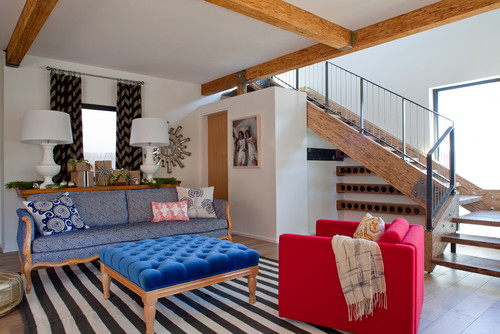
This is all about mixing different shapes of furniture.  Combining straight and curved lines to help create contrast. If the furniture is modern and more linear, throw in a round table for contrast. If the furniture is curvy, mix in an angular or straight edged piece. Also consider pairing solids with voids.  For example combine a leggy chair with a solid side table, or a solid chair with a leggy table.
Tip #9
Easy Use
When placing your furniture in a room you should definitely keep in mind the proximities.  By Placing a table within easy reach of every  seat, being sure to combine pieces of similar scale, and make sure every reading chair has an accompanying lamp. Coffee tables should be located 14 to 18 inches from a sofa to provide sufficient legroom.  This also takes your guests comfort into consideration, imagine having a glass of wine and not having a place in easy reach to place it down for a minute.
Tip #10
Circulation.
So far I have only been discussing seating areas in living rooms and family rooms, bedrooms. However a dining room is just as important In a home.  Make sure there’s at least 48 inches between each edge of the table and the nearest wall or piece of furniture. If traffic doesn’t pass behind the chairs on one side of the table, 36 inches should be enough. In bedrooms allow at least 24 inches between the side of the bed and a wall, and at least 36 inches between the bed and a swinging door.
With all of these Tips I am sure that filling up your home will be a lot less stressful and a lot more fun.  This wont make you a designer over night but it will most defiantly help you and make decorating more fun rather than work!
Lilly Cordeiro