Pet-Friendly Living Takes Center Stage in 2026 Home Design

In 2026, pet-friendly design is no longer a niche feature or a bonus add-on. It’s becoming a core part of how new homes are planned, designed, and built.

Architects and home builders are increasingly recognizing that pets are full-fledged members of the family—and homes need to support their comfort, safety, and routines just as much as those of their owners.

According to the American Veterinary Medical Association, nearly half of households own a dog and nearly one-third own a cat. As pet ownership continues to rise, demand for thoughtful, pet-oriented spaces is shaping everything from floor plans to finishes.

Today’s pet-friendly homes are about more than convenience. They’re about creating seamless, well-designed environments where style, durability, and functionality work together.

Smarter, Safer Pet Access

Traditional pet doors are quickly being replaced by smarter, more secure solutions. Homeowners want pet access that doesn’t compromise safety, energy efficiency, or aesthetics.

In 2026, builders are incorporating pet doors that blend into doors, walls, or even window systems—often paired with smart controls that allow access only when needed. These designs prove that pet functionality can enhance a home without detracting from its overall look.


Laundry Rooms That Work Overtime

Laundry rooms are evolving into multi-functional spaces—and pet care is part of that evolution.

Homeowners are transforming laundry rooms or mudrooms into practical pet-care zones, complete with durable flooring, built-in storage for food and supplies, and space for washing beds, blankets, and gear. Large-capacity washers designed to handle pet hair, odors, and frequent use are becoming essential.

These spaces help contain messes and simplify daily routines, especially for active families and larger pets.


Integrated Feeding Stations

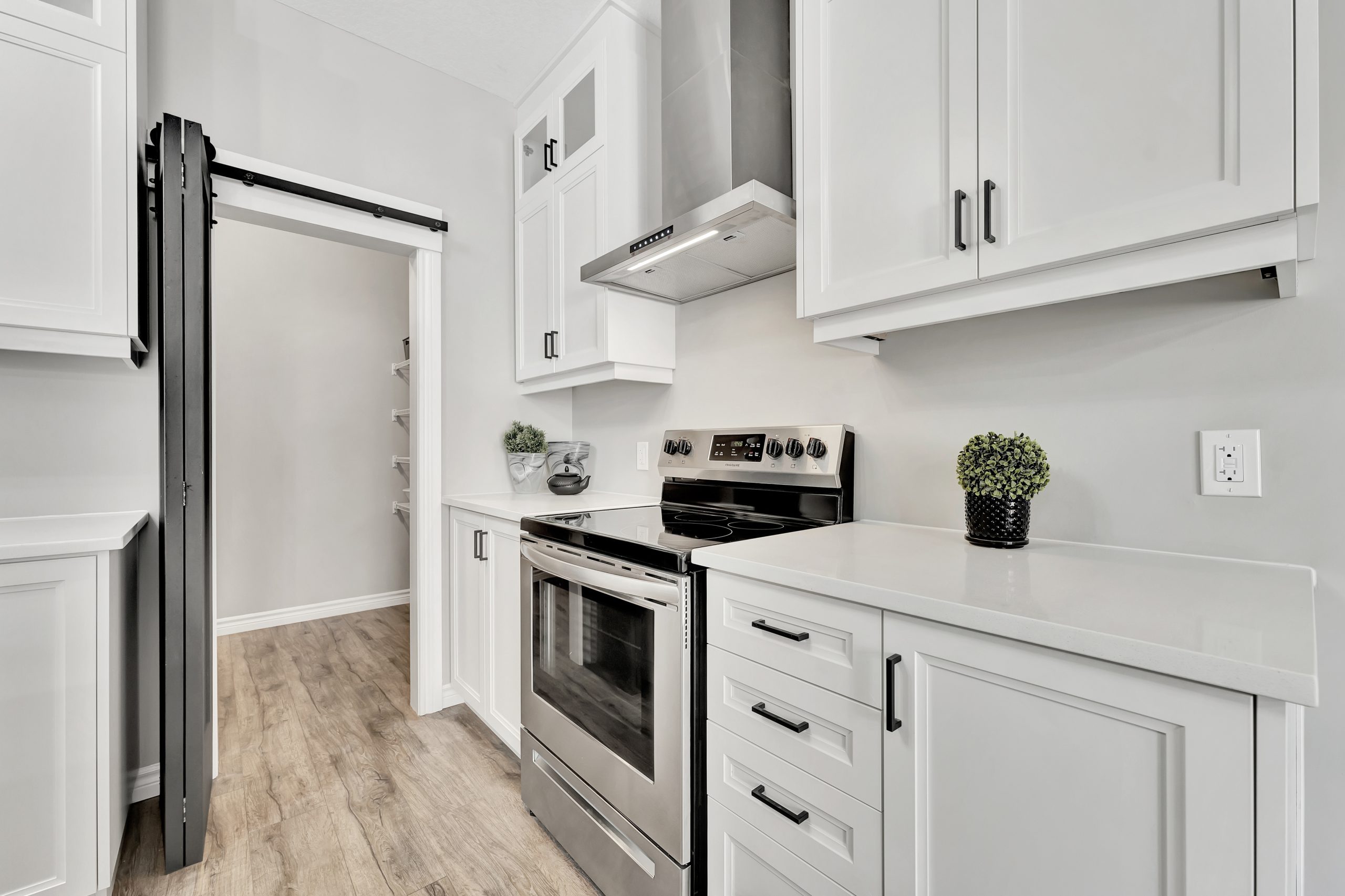
Pet feeding areas are becoming more discreet and intentional. Rather than bowls placed in walkways, homeowners are opting for built-in feeding stations tucked into cabinetry, kitchen islands, pantries, or mudrooms.

These concealed solutions keep floors clear, reduce clutter, and allow feeding areas to blend seamlessly with the rest of the home. Storage for food, treats, and supplies is often integrated nearby, creating a cleaner and more organized experience.


Dedicated Pet Spaces—Designed With Style

As flexible rooms become more common, many homeowners are dedicating space specifically for their pets. Spare bedrooms, alcoves, or flex rooms are being reimagined as comfortable pet zones that complement the home’s overall design.

Washable rugs, built-in pet beds, durable fabrics, and playful but tasteful accents allow pets to have their own space without sacrificing style. In smaller homes, vertical solutions—such as wall-mounted storage or climbing features for cats—help maximize space efficiently.


Calm, Cozy Retreats for Anxious Pets

Noise sensitivity is a growing concern for many pet owners, especially during storms or busy household moments. In response, builders are incorporating quiet, enclosed pet retreats into new homes.

Unused spaces—such as under staircases or within closets—are being transformed into cozy dens with added insulation, sound-dampening materials, and soft finishes. These calm zones provide pets with a sense of security while fitting naturally into the home’s layout.

Designing Homes for Every Family Member

The rise of pet-friendly design reflects a broader shift in homebuilding toward intentional, lifestyle-driven spaces. In 2026, successful homes are those that anticipate real-life needs—whether that means flexible rooms, durable materials, or thoughtful accommodations for pets.

At Sunlight Heritage Homes, we believe great design considers every member of the household. Homes that support pets ultimately support people too, creating spaces that feel more livable, comfortable, and complete.

Read one of homeowner reviews!

We live in a Sunlight home currently that Jeremy bought from original owner, and this will be the second time Amy has built with Sunlight! Maggie was wonderful. She was very helpful and was able to help us with our questions and design selections.

 ~ Amy & Jeremy Grose

2026 Housing & Design Outlook: Why Thoughtful Design Will Lead the Next Market Shift

As we move into 2026, one word best describes the new-home market: transition.

After a softer and more uncertain 2025, early signs suggest momentum may be returning. If interest rates continue to ease as expected, buyer confidence could improve faster than many anticipate. Builders have already been buying down rates, and a more favorable lending environment may help unlock pent-up demand—particularly in the first half of the year.

But beyond interest rates, one factor is emerging as the true driver of the next market cycle: home design.

Design Is the Strongest Buying Motivator

In 2026, product strategy will matter more than ever. After location, design remains the most important factor influencing new-home purchases. Today’s buyers are not shopping for the biggest home—they’re looking for the right home.

Efficient layouts, open family spaces, flexible rooms, and thoughtful interior details are replacing excess square footage. Builders are responding by offering smaller, smarter homes that solve affordability challenges without sacrificing comfort or livability.

This shift marks a transition away from the post-pandemic dominance of spec homes and toward a more balanced mix of move-in-ready and built-to-order, design-forward options. Buyers want choice—and builders who deliver it by price point and market will see stronger absorption and long-term stability.


Suburban Living, Reimagined

Remote work continues to influence housing demand more than headlines suggest. As a result, suburban and edge-of-city communities remain highly desirable—especially those that offer walkability, safety, lifestyle amenities, and a strong sense of community.

Master-planned neighborhoods that balance affordability with emotional connection are well positioned to thrive in 2026 and beyond.


Kitchens Continue to Grow in Importance

Even as overall home sizes tightened in 2025, kitchens became larger and more central to daily life. Traditional kitchen layouts gave way to linear and zone-based designs that better support modern workflows.

Kitchen islands evolved into true gathering spaces—supporting cooking, dining, entertaining, and everyday connection. Increasingly, islands are also becoming sculptural focal points, blending function with standout design.

Looking ahead, kitchens in 2026 will feel more personalized, warmer in tone, and less like workspaces—serving instead as living spaces within the home.


Timeless Design Takes the Lead

Timeless, transitional design emerged as a defining theme in 2025 and will continue to dominate in 2026. Neutral wood tones, warm finishes, and classic materials now form the foundation of many new homes.

Paint palettes have shifted away from cooler grays toward warm whites, greiges, and earthy mid-tones—colors that feel approachable, livable, and easy to personalize. For many homeowners, timeless design also represents better value, reducing the need for costly updates over time.


Wellness Is Now Standard

Wellness-focused design moved firmly into the mainstream in 2025. Homes increasingly incorporate biophilic elements, spa-inspired bathrooms, wellness kitchens, and multifunctional spaces that support both mental and physical health.

Rather than dedicating entire rooms to a single purpose, homeowners are embracing flexible spaces that adapt to relaxation, movement, and everyday balance. Wellness is no longer a trend—it’s an expectation.


Designing for Emotion and Joy

Homeowners also gained confidence in self-expression. Color, texture, and layered design became tools for creating emotional connection, moving beyond all-white interiors that often felt sterile.

At the same time, timeless base palettes remained popular, allowing homeowners to personalize their spaces over time. This balance between longevity and individuality is shaping how new homes are designed today.


Is Modern Farmhouse Really Fading?

While some farmhouse details—like shiplap, distressed finishes, and barn doors—have fallen out of favor, the modern farmhouse as an architectural style remains strong.

Clean lines, updated materials, and simplified detailing continue to resonate with buyers who value warmth and familiarity without outdated décor. Farmhouse isn’t disappearing—it’s evolving.


Technology, AI, and the Road Ahead

Technology continues to support productivity and innovation in homebuilding, with AI offering meaningful short-term benefits. However, its long-term impact on employment and housing demand remains uncertain.

While these effects may not be fully realized in 2026, the next few years will be critical in shaping how technology influences homebuying power and economic growth.


The Biggest Opportunity Builders Control

Despite shifting markets, interest rates, and emerging technologies, one truth remains: design is the greatest opportunity builders control.

Homes that are thoughtfully designed—by market, by price point, and by lifestyle—will outperform in absorption, margin, and long-term value. In 2026, success won’t be defined by size or speed alone, but by how well homes support real families and real lives.

At Sunlight Heritage Homes, we believe great design isn’t about trends—it’s about building homes that last.

See some of our wonderful Homeowners reviews!

We were very happy with the service received from Sunlight Homes. What we liked was that we were able to deal directly with the owner who in turn contacted the trades himself and they came in to do any items we needed them to look at. We would recommend them to family and friends no problem!

 ~ Harry Dietrich