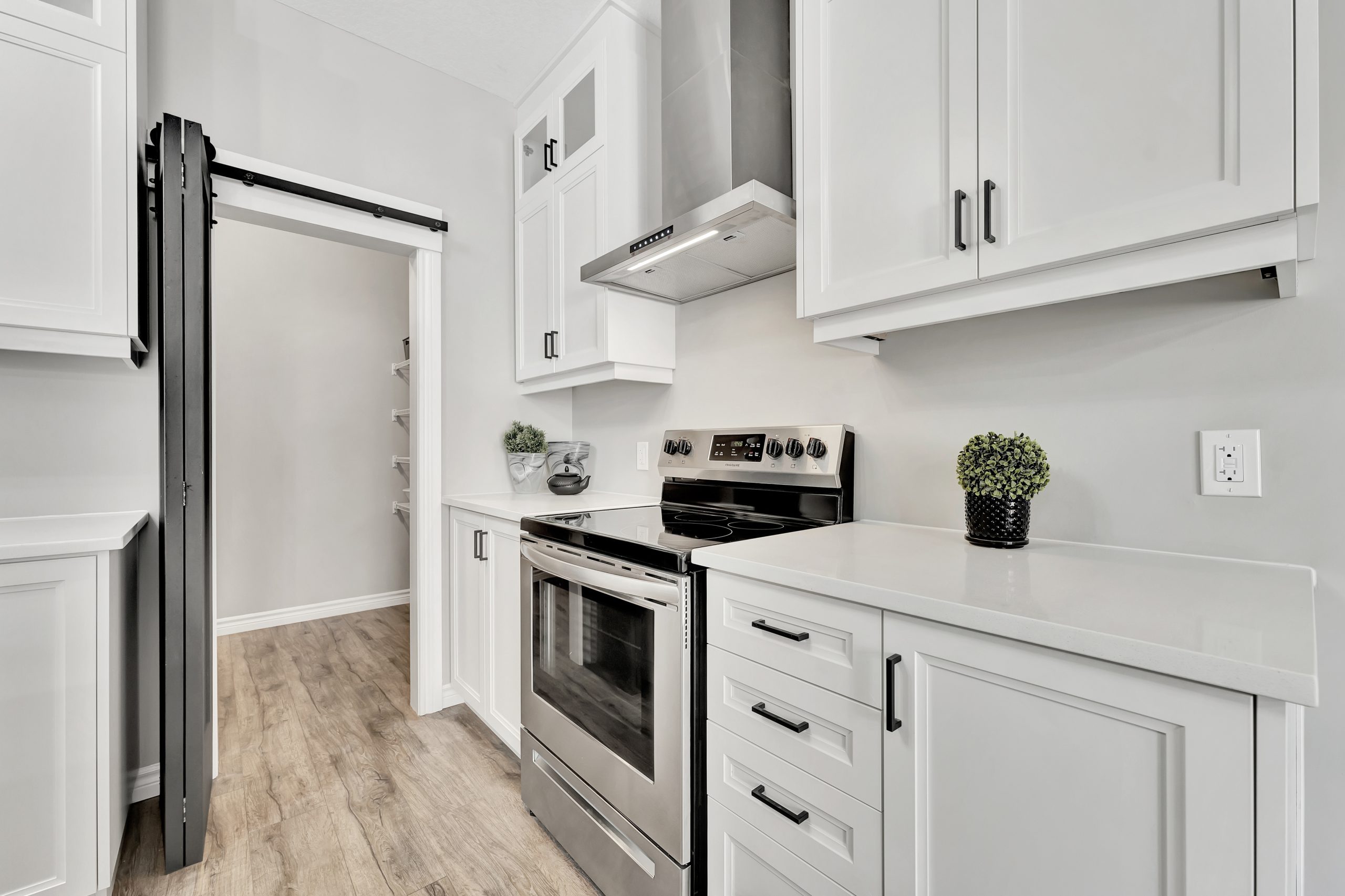
Choosing where to live is just as important as choosing the home itself. More buyers today are discovering the benefits of building in growing communities where new neighbourhoods are designed with modern living in mind. These areas often offer a unique balance of comfort, opportunity, and long-term value.
Growing communities tend to attract new amenities, schools, parks, and local businesses. As the area develops, homeowners often benefit from improved infrastructure and a stronger sense of neighbourhood identity. Buying early in a growing community can mean becoming part of something that continues to improve over time.
Newer neighbourhoods are also designed for today’s lifestyles. Streets feel more open, homes are built with modern layouts, and community planning often includes spaces for walking, recreation, and family activities. This creates a lifestyle that feels connected and welcoming.
From a financial perspective, buying in a developing area can provide long-term confidence. As communities grow and demand increases, homeowners may see added value in their investment while enjoying the benefits of living in a newer, well-planned environment.
At Sunlight Heritage Homes, we carefully choose communities where families can thrive now and into the future. We believe a home should not only meet your needs today but also support your long-term lifestyle and goals.
When people begin looking for a new home, they often focus on square footage. Bigger can seem better at first glance. But experienced homeowners know that the true comfort of a home comes from how it’s designed, not just how large it is. A well-planned floor plan can make a home feel more spacious, more organized, and easier to live in every single day.
The way rooms connect matters. A thoughtful layout creates natural flow between the kitchen, dining, and living spaces, allowing families to stay connected while still having room to breathe. Parents can cook while keeping an eye on children, guests can gather comfortably, and everyday routines feel smoother without tight or awkward spaces.
Storage is another area where layout plays a huge role. Homes that include practical storage solutions help reduce clutter and make daily living less stressful. When everything has a place, the home feels calmer and more organized. This isn’t about adding more rooms — it’s about designing spaces that truly support how people live.
Modern floor plans also consider flexibility. Many homeowners today need spaces that can adapt over time, whether that means a home office, a guest room, or a play area that eventually becomes a study space. A smart design allows a home to grow with a family rather than forcing constant changes or renovations.
At Sunlight Heritage Homes, we focus on layouts that make life easier. A home should feel natural to move through, comfortable to live in, and welcoming for both everyday moments and special occasions. When the floor plan works well, homeowners notice it in small ways every day — from easier mornings to more relaxed evenings — and that’s what truly turns a house into a home.
Many homebuyers start their search thinking a resale home with renovation potential might be the best path. On paper, it can sound exciting — finding a house with “good bones” and transforming it into something that feels new again. But what many homeowners quickly discover is that renovations often come with more stress, time, and unexpected costs than they anticipated.
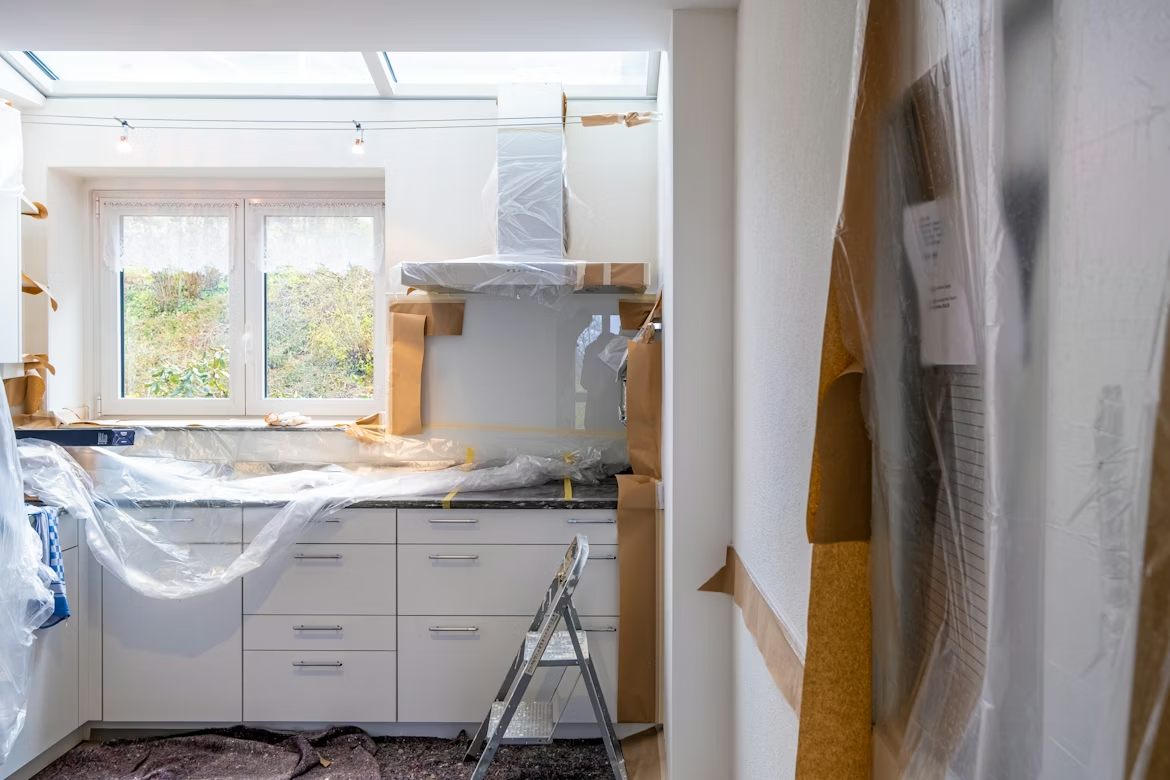
Renovating means living in a constant state of uncertainty. Budgets can shift once walls are opened, timelines can stretch longer than expected, and everyday life often becomes disrupted by dust, noise, and ongoing decisions. Even smaller projects tend to grow once hidden issues are uncovered, turning what seemed manageable into something overwhelming. For families balancing work, school schedules, and daily responsibilities, the added stress can take away from the excitement of owning a home.
Buying a new home offers a completely different experience. Instead of planning renovations, coordinating trades, or waiting for projects to finish, homeowners can focus on settling in and enjoying their space from day one. Everything is designed to work together, from layout and storage to finishes and functionality. There’s no guessing what needs updating or worrying about older systems that may require repairs shortly after moving in.
A new home also brings peace of mind. Mechanical systems, materials, and construction methods are modern and efficient, meaning fewer surprises and lower maintenance during those first important years of ownership. For many buyers, this predictability is one of the biggest benefits. They know what they’re getting, and they can plan their finances and lifestyle with confidence.
At Sunlight Heritage Homes, we see families choose new construction because they want to start fresh without the uncertainty of renovations. Building new allows buyers to enjoy a home designed for modern living — one that feels comfortable, functional, and ready for real life. Instead of spending weekends managing projects, homeowners can spend that time making memories in a space that already feels complete.
More families are starting to look beyond big cities when choosing where to live — and it’s no longer about compromise. For many buyers, moving to a smaller community is a deliberate lifestyle choice focused on space, value, and quality of life.
One of the biggest reasons behind this shift is space. Smaller communities often allow families to enjoy larger homes, better layouts, and more usable outdoor areas. Instead of feeling cramped, homeowners can spread out and live more comfortably, which makes a real difference for growing families and those working from home.
Affordability is another major factor. While housing prices have risen everywhere, buyers in smaller communities often find they can get a newer home with modern finishes and thoughtful design for the same budget — or less — than an older resale home in a major city. That added value helps reduce financial stress and creates more long-term confidence.
There’s also the sense of community that many people are looking for. Smaller towns tend to offer quieter streets, less traffic, and a stronger feeling of connection. Neighbours know each other, kids can play safely outside, and local businesses become part of everyday life. It’s a pace that feels more balanced and family-friendly.
Changing work patterns have made this move even easier. With more people working remotely or on flexible schedules, living close to a downtown core isn’t as necessary as it once was. Families can choose where they want to live, not just where they have to commute from.
Ultimately, buyers are rethinking what “home” really means. They want comfort, space, and a lifestyle that feels manageable and rewarding — not rushed or overcrowded.
At Sunlight Heritage Homes, we build in communities where families can enjoy that balance. Our homes are designed for real life, with modern layouts, quality craftsmanship, and neighbourhoods people are proud to call home.
To learn more about our homes and communities, visit www.sunlighthomes.ca or book a tour today.
If you’re shopping for a home right now, you’re likely facing one of the biggest decisions buyers make: should you purchase a resale home or build new?
On the surface, a resale home can seem appealing. It may be in an established neighborhood, have mature trees, or appear less expensive at first glance. A new build, on the other hand, may feel like a bigger commitment upfront. But when buyers look beyond the listing price and consider the full picture, many discover that a new home often offers more long-term value, predictability, and peace of mind.
Understanding the true differences between resale and new construction can help you make a confident decision that fits your lifestyle and your budget.
One of the most important differences comes down to condition. When you buy a resale home, you’re purchasing a property that has already lived a life. Even a well-maintained home has aging systems, materials, and components that will eventually need attention. Furnaces, air conditioners, roofs, windows, plumbing, and electrical systems all have a lifespan. While a home inspection can identify visible issues, it can’t always predict when something will fail. Many homeowners find themselves facing major repair costs within the first few years after moving in.
With a new home, everything starts fresh. Mechanical systems, finishes, and structural components are brand new and built to current standards. That means fewer surprises and less worry about unexpected repairs right after closing. For many buyers, that predictability alone is a major advantage.
Another key factor is layout and functionality. Older homes were designed for a different way of living. Smaller kitchens, limited storage, closed-off rooms, and tight hallways can make a home feel cramped by today’s standards. While renovations can help, they often come with high costs, time delays, and stress. What starts as a simple update can quickly turn into a major project once walls are opened and hidden issues are discovered.
New homes are designed with modern lifestyles in mind. Open yet defined living spaces, larger kitchens, better storage, functional mudrooms, and flexible rooms that adapt to work-from-home or growing families are now the standard. Instead of trying to make an older layout work, buyers can move into a home that already fits how they live today.
Energy efficiency is another area where the difference becomes noticeable over time. Many resale homes were built before energy efficiency was a priority, which can lead to higher heating and cooling costs. Drafty windows, older insulation, and less efficient systems often mean higher utility bills and inconsistent comfort throughout the year.
New homes are built with modern insulation, better air sealing, efficient heating and cooling systems, and updated windows and doors. These features may not be as visible as a new kitchen or flooring, but they make a real difference every month. A more energy-efficient home isn’t just better for comfort — it can also help reduce long-term operating costs.
Maintenance is another consideration that’s easy to underestimate. Older homes typically require more upkeep, from repairs and replacements to cosmetic updates just to keep the home feeling fresh. Decks, driveways, roofs, windows, and landscaping may all need attention sooner than expected. These ongoing costs can add up over time and take away from the enjoyment of the home.
A new build allows homeowners to enjoy their space without constantly planning the next repair or upgrade. While every home requires maintenance eventually, newer construction generally offers a longer period of low-maintenance living, which is especially appealing for busy families and professionals.
There’s also the emotional side of the decision. Buying a resale home often means living through renovations, contractor schedules, dust, noise, and budget overruns. Even small projects can disrupt daily life and create stress. Many buyers underestimate how draining it can be to renovate while living in the home.
With a new home, you get the benefit of move-in-ready living. You can unpack, settle in, and start enjoying your space immediately. There’s no waiting for the “next phase” of updates before the home feels right.
Cost predictability plays a big role as well. While resale homes may have a lower purchase price in some cases, renovation costs, repairs, and upgrades can quickly close the gap — and often exceed it. New builds provide clearer expectations upfront. Buyers know what’s included, what upgrades cost, and what to expect before they move in. That clarity helps families budget more confidently.
So which option makes more sense? The answer depends on your priorities. Some buyers value the charm and character of older homes, while others prefer the efficiency, comfort, and simplicity of something brand new. But for buyers who want fewer surprises, modern layouts, better energy performance, and a home that’s ready from day one, building new can be the smarter long-term choice.
At Sunlight Heritage Homes, we believe a home should make life easier — not more stressful. That’s why we focus on thoughtful design, quality construction, and homes that are built for real life today. When you build new, you’re not just buying a house. You’re investing in comfort, confidence, and peace of mind.
If you’re weighing your options and want to learn more about building new, we’d be happy to help. Visit www.sunlighthomes.ca to explore our homes, learn more about our process, or book a tour.
Buying a home is one of the biggest decisions you’ll ever make — and in today’s market, many buyers find themselves choosing between a resale home or a new build.
At first glance, a resale home can seem like the cheaper option. The price might look lower on paper, the neighborhood may already be established, and the home might be “move-in ready.”
But here’s what many buyers discover after they take possession:
Resale homes often come with hidden costs that can add up fast.
If you want more peace of mind, fewer surprises, and a home that fits today’s lifestyle from day one, it’s worth understanding what those hidden costs can be — and why building new can be one of the smartest moves you make.
1. Surprise Repairs After Closing
One of the biggest risks with a resale home is that you’re buying a property with years (or decades) of wear and tear already built in.
Even if you get a home inspection, some issues simply don’t show up until you’ve lived there for a while — especially during different seasons.
Common surprise repairs include:
Furnace or air conditioner breakdowns Aging hot water tanks Plumbing leaks behind walls Roof repairs or replacement Drafty windows and worn seals Electrical issues and outdated panels
And these aren’t small expenses. Replacing major systems can cost thousands — sometimes unexpectedly within the first year.
With a new home, the major systems are brand new, built to current standards, and designed for modern performance.
2. Renovations You “Think You Can Live With”… Until You Can’t
A lot of buyers walk through a resale home and say:
“We can live with it for now.”
But after a few weeks or months, reality sets in.
Maybe the kitchen feels cramped. The lighting is outdated. Storage is limited. The layout doesn’t work for everyday routines. Or the bathrooms feel tired and worn.
Common renovations people end up doing sooner than expected include:
Kitchen upgrades (cabinets, countertops, layout) Bathroom renovations Flooring replacement Painting and trim work Light fixtures and pot lights Adding storage solutions Changing interior doors and hardware
Even “small” updates can quickly turn into major projects — and those projects often cost more than planned once demolition begins.
A new build removes that question entirely. The finishes are fresh, modern, and selected for today’s buyers — so you can enjoy your home right away instead of starting a renovation list.
3. Higher Utility Bills From Older Construction
The monthly cost of owning a home isn’t just your mortgage — it’s also your utilities.
Many resale homes were built at a time when energy efficiency was not a major priority. That can mean:
Less insulation in walls and attic spaces Draftier windows and older doors Aging HVAC systems running less efficiently Poor air sealing and airflow Older lighting and appliances
Those small inefficiencies become noticeable every month — especially during Ontario winters and hot summers.
A new home is designed to perform better. Modern insulation, newer heating systems, better windows, and efficient layouts can help reduce wasted energy and keep the home more comfortable year-round.
4. Outdated Electrical and Plumbing Systems
Behind the drywall, older homes can come with older infrastructure — and that can create safety concerns and additional upgrade costs.
Some homeowners discover they need to update:
Electrical panels Aluminum wiring (in certain older homes) Missing GFCIs in kitchens and bathrooms Bathroom fans or venting systems Old plumbing shutoffs or pipes
Even if the home “looks” updated, those mechanical systems may still be past their prime.
With a new home, everything is built to today’s code requirements — so you can feel confident that the home is safe, modern, and ready for long-term use.
5. The Cost of Living Through Renovations
Renovations cost more than money.
They cost time, energy, and patience.
A resale home renovation often means:
Calling contractors and waiting for availability Dealing with delays and rescheduling Living with dust, mess, and noise Making endless decisions under pressure Discovering “extra issues” once walls are opened Watching budgets climb as the project grows
For many families, the stress of renovations is the part no one warns them about.
A new home allows you to skip all that and start enjoying your space immediately.
6. Maintenance Adds Up Faster Than You Think
Even if a resale home is in good shape, older homes often require ongoing maintenance sooner than newer ones.
You may find yourself paying for:
Caulking, repairs, and patchwork Driveway repairs or grading issues Window condensation fixes Deck and fence replacement Basement moisture concerns Landscaping “catch-up” projects
It’s not that resale homes are “bad” — it’s just the reality of ownership when a home has already lived a long life before you move in.
A new build gives you a fresh start with less immediate maintenance pressure.
7. A New Home Gives You Predictability (And Peace of Mind)
One of the biggest advantages of building new is predictability.
You’re not inheriting someone else’s old repairs, DIY upgrades, or hidden problems. You’re moving into a home designed for today’s lifestyle — with modern layouts, better storage, updated finishes, and new mechanical systems.
When you build new, you get:
✅ Brand-new kitchens, bathrooms, flooring, and finishes ✅ Modern layouts built for real daily living ✅ Better storage and functionality ✅ New HVAC, plumbing, and electrical systems ✅ Less surprise spending after you move in ✅ A home that feels fresh from day one
For many buyers, that peace of mind is priceless.
Resale vs New Build: Which One Is Right for You?
Every family’s situation is different.
Some buyers love the charm and character of a resale home. Others want a turnkey experience that feels clean, modern, and ready for the next chapter.
But if you’re budgeting carefully — and you want to avoid the unexpected costs that can follow a resale purchase — a new home may be the smarter long-term choice.
Build With Confidence With Sunlight Heritage Homes
At Sunlight Heritage Homes, we’ve been building quality homes for Ontario families for generations. We believe your home should be a place you love from day one — not a project list you stress over every weekend.
If you’re thinking about building new and want a home that fits your lifestyle, we’re here to help.
Visit www.sunlighthomes.ca to explore our communities, view available homes, or book a tour.
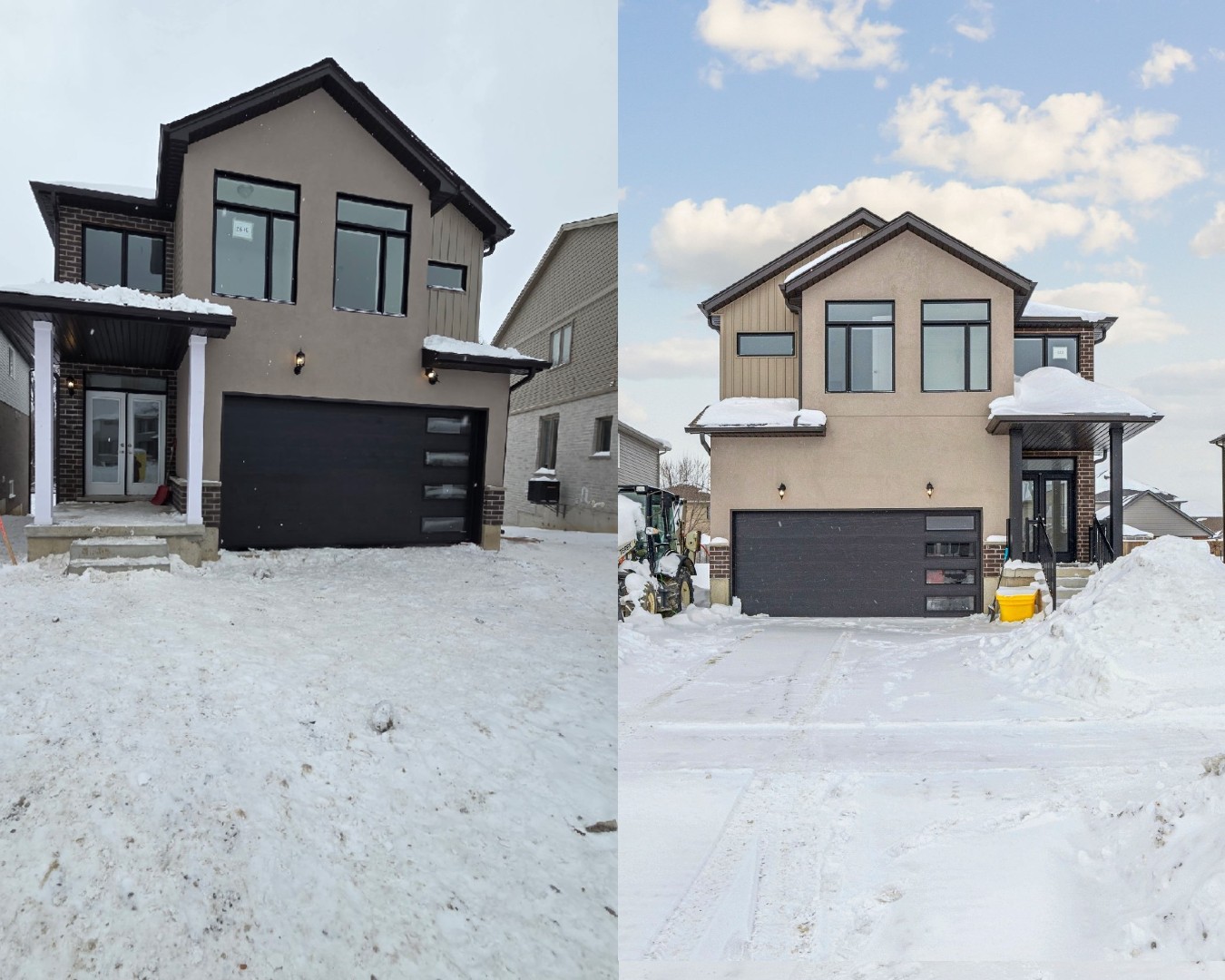
At Sunlight Heritage Homes, we love turning dreams into reality—and right now, two beautiful homes are ready for their new families to move in without the wait. As a family-run builder serving communities across Ontario (including Drayton, London, and beyond), we’re thrilled to share these quick-closing gems: The Fraser on Bobolink Lane in London and The Fraser on Maple Street in Drayton.
Both are finished to our high standards, packed with thoughtful details, and available now for buyers who want quality craftsmanship without months of construction. Let’s take a closer look at what makes each one special.
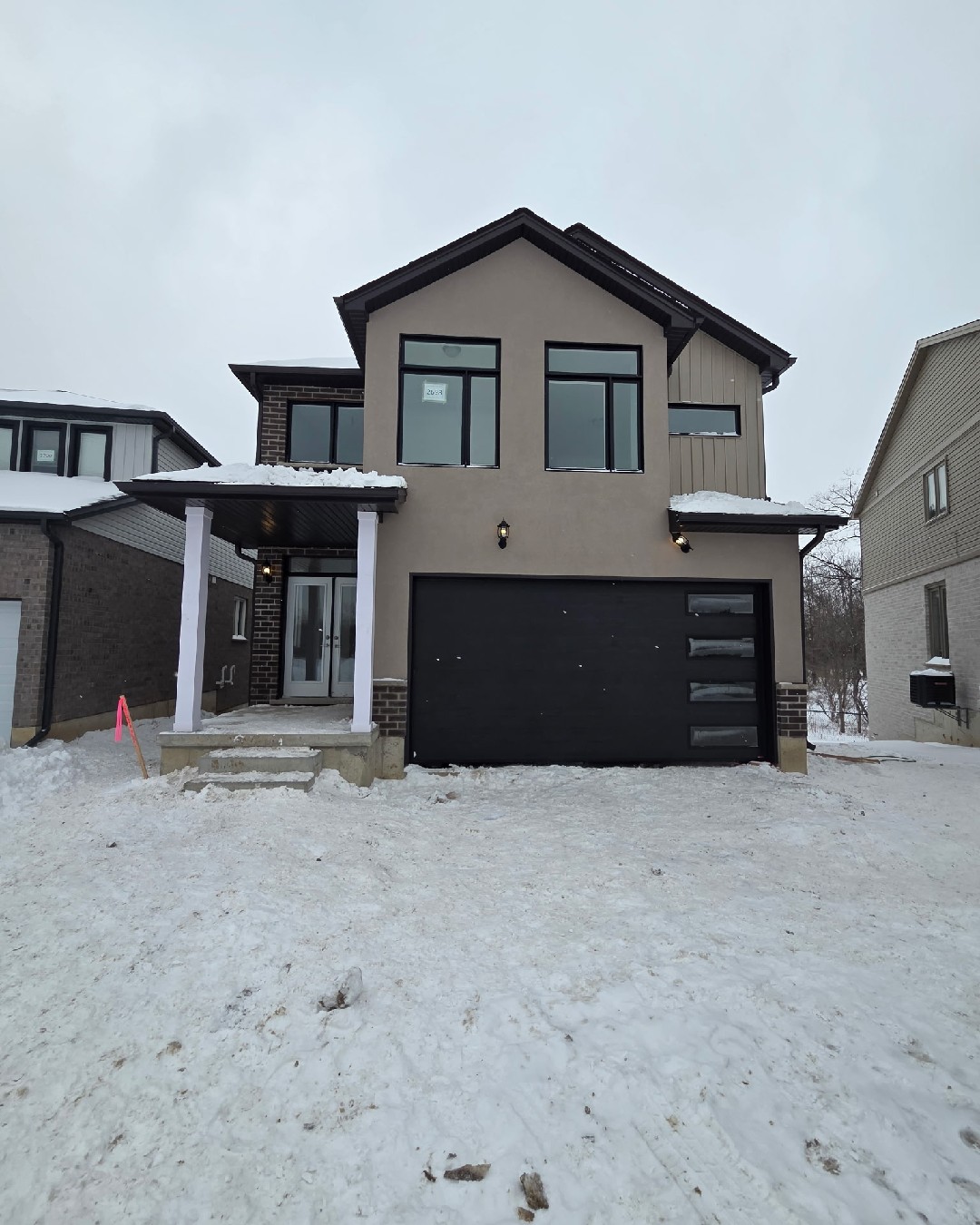
Lot 15 – 2698 Bobolink Lane, London (Old Victoria on the Thames)
This 2,332 sq ft beauty sits on a premium walkout lot, blending indoor comfort with seamless outdoor connection—perfect for families who love entertaining or simply enjoying nature.
Key highlights include:
4 bedrooms + 3.5 baths – Plenty of space for growing families, guests, or a home office.
9′ main-floor ceilings and an open-concept layout that feels bright and airy.
Luxurious kitchen finishes: quartz countertops, 36″ high cabinets, crown moulding & valance, stainless steel chimney-style range hood, and built-in microwave shelf.
Laminate flooring throughout the main level (excluding mudroom/washrooms) for easy living.
Unfinished basement with rough-in for a future bathroom, 5′ slider, and large 48″x48″ window—ideal for customizing into a rec room, gym, or extra living space.
Thoughtful upgrades like coloured windows on the front and durable asphalt shingles.
Priced at $918,000, this move-in-ready home delivers modern elegance on a walkout lot that merges beautifully with the outdoors. If you’re searching for London real estate with quick possession and timeless appeal, this one checks every box.
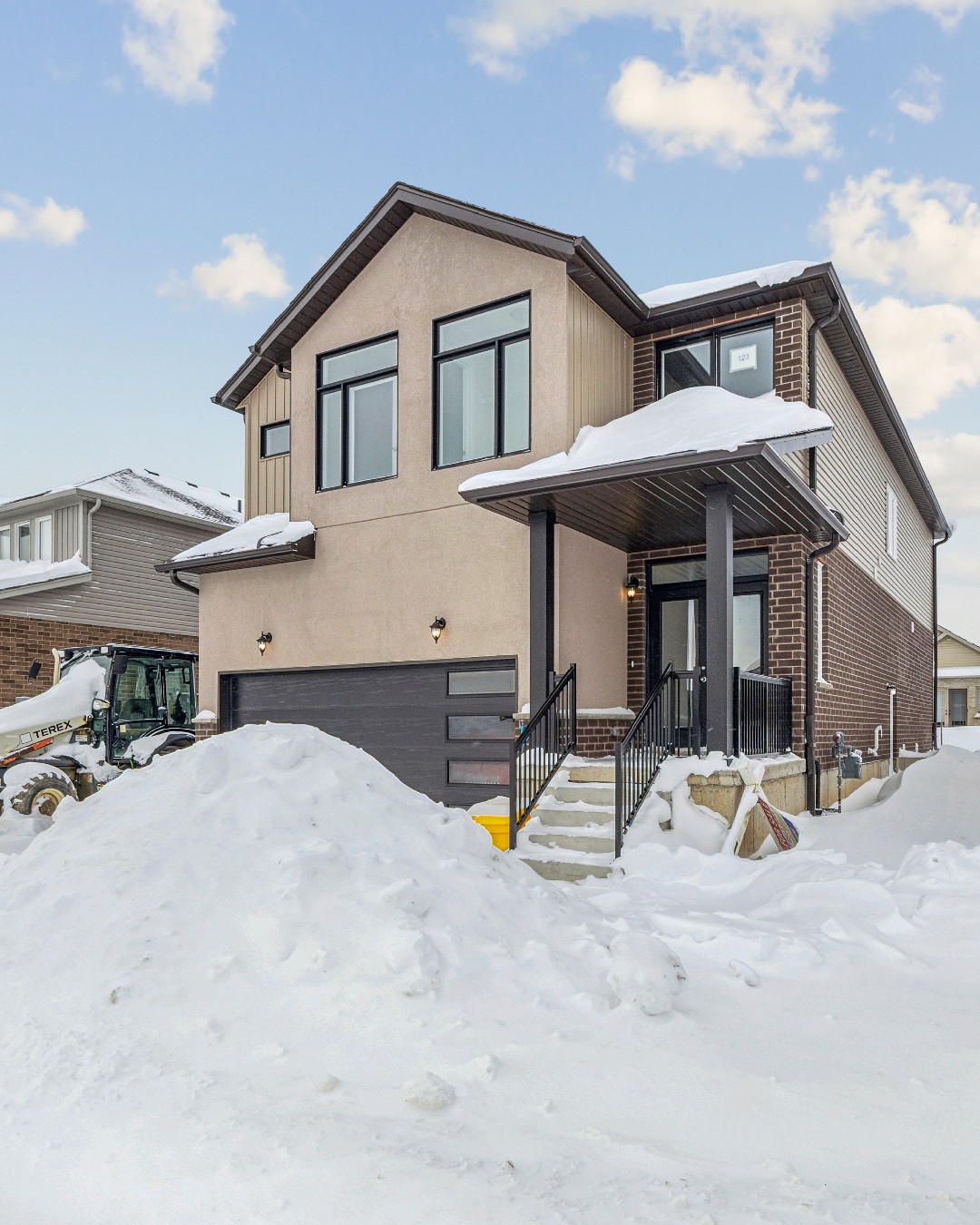
Lot 02 – 123 Maple Street, Drayton (Drayton Phase 2)
Also 2,332 sq ft with the same popular Fraser layout, this Drayton model brings the same quality to a vibrant, growing community just minutes from everyday conveniences.
Standout features:
4 bedrooms + 3.5 baths – Flexible space for family life, hobbies, or guests.
9′ main-floor ceilings and a generous 6′ patio slider door that opens up the living area.
Practical main-level laminate flooring (excluding mudroom/washrooms) and appliances included (dishwasher and more).
Separate side entrance to the unfinished basement—great for future in-law suite, storage, or recreation.
2-car attached garage for convenience and protection from Ontario winters.
Listed at $899,900, this quick-closing home offers excellent value in Drayton, with the same attention to detail and flow that Sunlight buyers love.
Why Choose a Sunlight Quick-Closing Model Home Right Now?
Building a new home is exciting, but waiting isn’t always ideal. These two completed homes let you skip the timeline stress and move in sooner—while still getting:
Our signature open, functional layouts are designed for real life.
High-quality finishes selected by our in-house team.
The peace of mind that comes from working with a trusted, family-run builder.
Opportunity to add your personal touch in the unfinished basement or through minor customizations.
Whether you’re upsizing, relocating within Ontario, or simply ready for a fresh start in a well-built home, quick-closing options like these are disappearing fast.
Ready to see them in person? We invite you to book a private tour today. Walk through the spaces, feel the quality, and imagine your life here.
Contact our team or visit the listings below to learn more and schedule your visit:
As we enjoy the longer days of summer, outdoor living spaces are more popular than ever. At Sunlight Heritage Homes, we know how important it is for homeowners to extend their living areas beyond four walls—creating a seamless blend between indoors and out. According to the latest 2025 Outdoor Living Trends Report from Fixr, the desire for indoor-outdoor cohesion, sustainability, and multi-purpose design is shaping how Canadians (and homeowners everywhere) are enjoying their yards this year.
Here are ten of the top trends inspiring us—and our homebuyers—in 2025:
1. Seamless Indoor-Outdoor Design Bringing the outdoors in (and vice versa) is the leading trend for 2025. Homeowners are investing in large sliding or pocket doors and matching finishes to blur the lines between their living rooms and patios. This unified look creates an inviting, free-flowing space for entertaining or relaxing.
2. Cooking Al Fresco Outdoor kitchens are here to stay. Whether you’re adding a grill with built-in shelving or going all out with a complete cooking suite, al fresco dining is a top priority. This year, pizza ovens are stealing the spotlight as the must-have outdoor kitchen feature.
3. Multi-Purpose Backyards Gone are the days when backyards were just for lounging. Homeowners are turning these spaces into flexible zones for working out, dining, unwinding, or even working from home. A well-designed outdoor area offers endless possibilities.
4. Zoning for Activities Create distinct areas for everything from barbecues to movie nights under the stars. Adaptable layouts—with bar areas, pools, and cozy corners—let you switch between everyday living and weekend entertaining with ease.
5. Low-Maintenance Living Busy lifestyles call for outdoor spaces that are beautiful but easy to care for. Durable, low-maintenance materials and furniture are on trend, helping you spend more time enjoying your backyard and less time maintaining it.
6. The Outdoor Living Room Think plush sofas, weather-resistant rugs, outdoor TVs, and soft pillows. Building a true living room outdoors is gaining in popularity, making it easier than ever to relax and entertain in comfort.
7. Wellness Retreats at Home Homeowners are prioritizing wellness with features like yoga decks, meditation spots, saunas, and cold plunge pools. Creating a space for relaxation and self-care right in the backyard is both a luxury and a necessity in today’s world.
8. Greener, Lusher Spaces Integrating more plants, trees, and greenery into outdoor designs is growing in popularity, supporting the biophilic trend. Not only does this look beautiful, but it also promotes a sense of tranquility and connection with nature.
9. Comfort is Key To truly connect indoor and outdoor areas, more homeowners are layering in comforts like throw blankets, outdoor cushions, and soft lighting. These touches make patios and decks feel like true extensions of the home.
10. Sustainable Choices Eco-friendly design remains a priority. Recycled materials, permeable pavers, and drought-tolerant landscaping are all trending, reducing environmental impact while boosting curb appeal and property value.
Bonus Trends to Watch: Cold plunge pools, fire features, smart outdoor tech, floating decks, water features, turf grids, and even glass courtyards are on the rise. Earthy color palettes, organic textures, and sustainable materials are also leading the way in outdoor aesthetics.
At Sunlight Heritage Homes, we’re excited to help you bring these trends to life—whether you’re dreaming of a cozy fire pit, a backyard yoga retreat, or an inviting outdoor kitchen. Explore our communities and let us help you create an outdoor space that’s beautiful, functional, and uniquely yours.
Wood has officially moved into the top spot as the most popular cabinet color, chosen in 29% of renovated kitchens — slightly surpassing white (28%). Medium wood tones lead the way (15%), followed by light (11%) and dark (3%).
2. Cabinetry Upgrades That Do More
Cabinet upgrades remain almost universal, with 84% of homeowners updating their kitchen cabinetry. And within those upgraded kitchens, 94% include specialized storage options such as:
Homeowners are also improving those hard-to-reach spaces using corner trays, pull-out shelves, and deep drawer organizers (34% each).
3. Butler’s Pantries Are Becoming a Must-Have
For homeowners adding a butler’s pantry, it’s all about hiding the “everyday stuff” and keeping countertops clear. The study shows:
Small appliance storage (67%) Prep counters (61%) Enclosed cabinetry (59%)
4. Bigger Kitchen Islands Are the New Normal
Kitchen islands continue to be a major upgrade, with 58% of homeowners adding or updating one. And many are going bigger than ever:
52% exceed 7 feet 30% are between 6–7 feet 18% are under 6 feet
Rectangular islands remain the top choice, making up 80% of upgraded island shapes.
5. Transitional Style Still Leads the Way
Transitional design remains the most common kitchen style at 25%, followed by:
Traditional (12%) Modern (11%) Contemporary (10%)
Interestingly, the number of homeowners reporting “no specific style” doubled to 6%, showing more people are mixing looks instead of sticking to one design category.
6. Slab Backsplashes Are Growing Fast
Tile still dominates backsplash choices (72%), but slab backsplashes continue to rise and now account for 28% of designs.
Ceramic tile leads tile options (49%) Engineered quartz is the top slab choice (39%)
7. Stainless Steel Appliances Are Still #1
Stainless steel remains the most popular appliance finish at 72%, with other options far behind:
White (6%) Black stainless (6%) Black (5%) Off-white (2%)
8. Engineered Quartz Continues to Dominate Countertops
Engineered quartz remains the most popular countertop material at 32%, though its share dropped 7 points year-over-year.
Other popular countertop choices include:
Granite (15%) (down 4 points) Quartzite (10%)
9. Layered Lighting Makes a Big Impact
Lighting continues to be one of the most important kitchen upgrades. Homeowners most often choose:
Ceramic and porcelain tile flooring has climbed into the top spot, now tied with hardwood flooring at 22% each.
What This Means for Today’s New Home Kitchens
The message is clear: homeowners want kitchens that feel beautiful and work effortlessly. More storage, more function, more purpose — and less clutter on display.
At Sunlight Heritage Homes, we pay attention to trends like these because they reflect how families actually live today. Whether it’s maximizing cabinet storage, designing larger islands, or creating smarter kitchen zones, the goal is the same: a kitchen that feels great every day, not just when guests are over.
✅ Thinking about building a new home with a kitchen designed for real life? Visit www.sunlighthomes.ca to explore our homes or book a tour.
Read one of our Homeowner reviews!
This was a great experience! Stephanie was fantastic and very helpful. The design centre has many great options, we can’t wait to see our design choices come to life in our new house!
In 2026, pet-friendly design is no longer a niche feature or a bonus add-on. It’s becoming a core part of how new homes are planned, designed, and built.
Architects and home builders are increasingly recognizing that pets are full-fledged members of the family—and homes need to support their comfort, safety, and routines just as much as those of their owners.
According to the American Veterinary Medical Association, nearly half of households own a dog and nearly one-third own a cat. As pet ownership continues to rise, demand for thoughtful, pet-oriented spaces is shaping everything from floor plans to finishes.
Today’s pet-friendly homes are about more than convenience. They’re about creating seamless, well-designed environments where style, durability, and functionality work together.
Smarter, Safer Pet Access
Traditional pet doors are quickly being replaced by smarter, more secure solutions. Homeowners want pet access that doesn’t compromise safety, energy efficiency, or aesthetics.
In 2026, builders are incorporating pet doors that blend into doors, walls, or even window systems—often paired with smart controls that allow access only when needed. These designs prove that pet functionality can enhance a home without detracting from its overall look.
Laundry Rooms That Work Overtime
Laundry rooms are evolving into multi-functional spaces—and pet care is part of that evolution.
Homeowners are transforming laundry rooms or mudrooms into practical pet-care zones, complete with durable flooring, built-in storage for food and supplies, and space for washing beds, blankets, and gear. Large-capacity washers designed to handle pet hair, odors, and frequent use are becoming essential.
These spaces help contain messes and simplify daily routines, especially for active families and larger pets.
Integrated Feeding Stations
Pet feeding areas are becoming more discreet and intentional. Rather than bowls placed in walkways, homeowners are opting for built-in feeding stations tucked into cabinetry, kitchen islands, pantries, or mudrooms.
These concealed solutions keep floors clear, reduce clutter, and allow feeding areas to blend seamlessly with the rest of the home. Storage for food, treats, and supplies is often integrated nearby, creating a cleaner and more organized experience.
Dedicated Pet Spaces—Designed With Style
As flexible rooms become more common, many homeowners are dedicating space specifically for their pets. Spare bedrooms, alcoves, or flex rooms are being reimagined as comfortable pet zones that complement the home’s overall design.
Washable rugs, built-in pet beds, durable fabrics, and playful but tasteful accents allow pets to have their own space without sacrificing style. In smaller homes, vertical solutions—such as wall-mounted storage or climbing features for cats—help maximize space efficiently.
Calm, Cozy Retreats for Anxious Pets
Noise sensitivity is a growing concern for many pet owners, especially during storms or busy household moments. In response, builders are incorporating quiet, enclosed pet retreats into new homes.
Unused spaces—such as under staircases or within closets—are being transformed into cozy dens with added insulation, sound-dampening materials, and soft finishes. These calm zones provide pets with a sense of security while fitting naturally into the home’s layout.
Designing Homes for Every Family Member
The rise of pet-friendly design reflects a broader shift in homebuilding toward intentional, lifestyle-driven spaces. In 2026, successful homes are those that anticipate real-life needs—whether that means flexible rooms, durable materials, or thoughtful accommodations for pets.
At Sunlight Heritage Homes, we believe great design considers every member of the household. Homes that support pets ultimately support people too, creating spaces that feel more livable, comfortable, and complete.
Read one of homeowner reviews!
We live in a Sunlight home currently that Jeremy bought from original owner, and this will be the second time Amy has built with Sunlight! Maggie was wonderful. She was very helpful and was able to help us with our questions and design selections.